
Eating moldy bread usually leads to mild digestive discomfort, and in most cases your body can handle a small accidental bite without serious harm. However, depending on the type of mold and your sensitivity, what happens if you eat moldy bread can range from nothing at all to stomach pain, nausea, or an allergic reaction. The key point is that not all molds are harmless, and some can produce toxins that your body should not ingest.
In most everyday situations, if you accidentally swallow a small piece of moldy bread, your stomach acid will neutralize many of the harmful spores. Still, the risk increases if you have a weak immune system, allergies, or if the bread was heavily contaminated. That’s why understanding what happens if you eat moldy bread is important for food safety awareness.
Table of Contents
Why Moldy Bread Can Be Risky
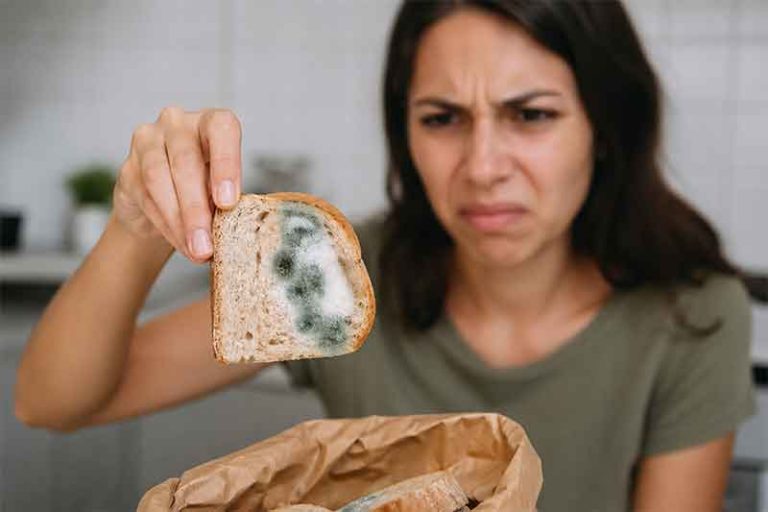
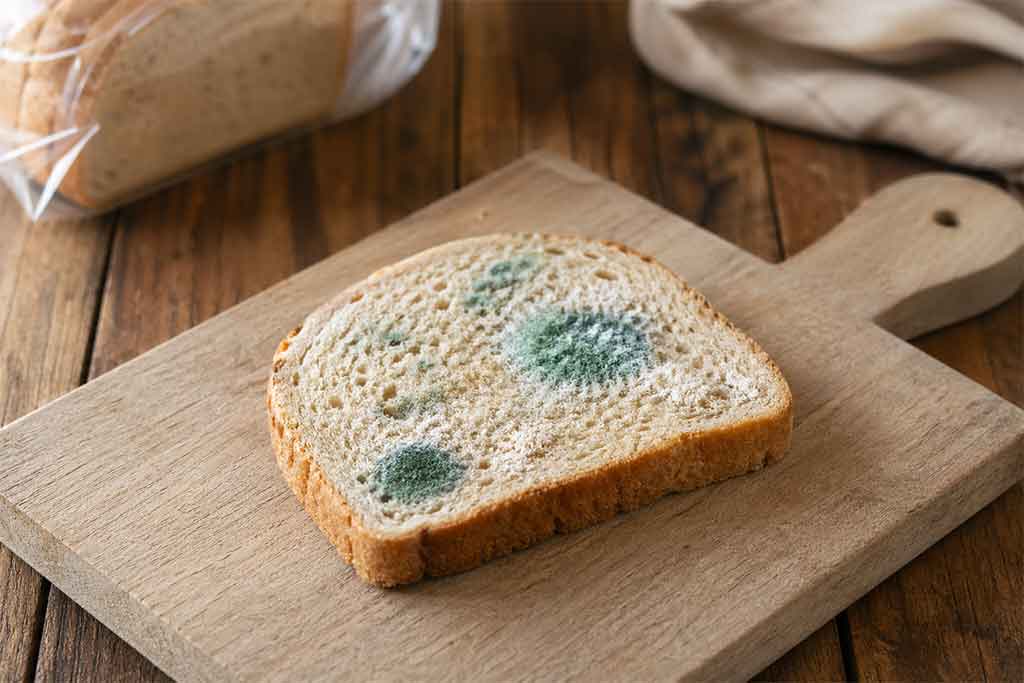
Mold on bread usually appears as green, white, or black fuzzy spots. What you see on the surface is only part of the problem. Mold can send tiny roots deep into soft foods like bread, meaning the contamination often spreads beyond what’s visible.
When you consume it, your body may react in different ways. Some people feel nothing, while others may experience mild food poisoning symptoms such as stomach cramps, vomiting, or diarrhea. In rare cases, certain molds can produce mycotoxins, which may trigger stronger reactions.
So, if you are wondering what happens if you eat moldy bread, the safest answer is: it depends on the type of mold and your body’s reaction, but it is never considered safe to eat intentionally.
Common Symptoms After Eating Moldy Bread
Most healthy people who accidentally eat a small amount may not experience severe symptoms. However, possible reactions include:
- Nausea or upset stomach
- Mild vomiting
- Diarrhea
- Headache or dizziness in sensitive individuals
- Allergic reactions like sneezing or itching
These symptoms usually appear within a few hours and resolve quickly without medical treatment. Still, repeated exposure or eating large amounts increases the risk of stronger reactions.
It’s also worth noting that people with asthma or mold allergies may react more strongly. In those cases, even small exposure can trigger respiratory discomfort.
When You Should Be More Careful
Certain groups should be extra cautious about consuming mold-contaminated food, including children, elderly individuals, pregnant women, and people with weakened immune systems. For example, dietary safety is especially important during pregnancy, as foodborne risks can have a stronger impact. You can read more about related food safety topics like what happens if you eat slim jims while pregnant or can I eat turkey sticks while pregnant.
These examples highlight how processed or contaminated foods may carry hidden risks, similar to moldy bread.
Is It Ever Safe to Eat Moldy Bread?
The simple answer is no. Even if some molds are considered “less harmful,” you cannot reliably tell which type is growing on your food. Cutting off the moldy part does not make the bread safe because spores can spread invisibly throughout the loaf.
That’s why food safety experts recommend discarding any bread that shows visible mold. If you are ever unsure about risks, learning more about food contamination can help, such as understanding what happens if you eat mold, which covers broader mold exposure beyond bread.
Final Thoughts
In most cases, what happens if you eat moldy bread is not life-threatening, but it is still not something to take lightly. Your body may handle a small exposure without issues, but the risk of stomach upset, allergic reactions, or toxin exposure is always present.
The safest approach is simple: when bread shows mold, throw it away immediately. It’s not worth guessing whether it’s safe or not. Food freshness is one of the easiest ways to protect your health every day.