
Eating mold by accident usually causes mild stomach discomfort at most, but in some cases it can lead to nausea, allergic reactions, or food poisoning depending on the type of mold and your health condition. In most situations, your body will handle a small amount without serious harm, but certain molds can produce toxins that are not safe at all. So when people ask what happens if you eat mold, the honest answer is: it depends on the mold, the amount, and your immune system.
Table of Contents
Why Mold on Food Is Not Always Harmless
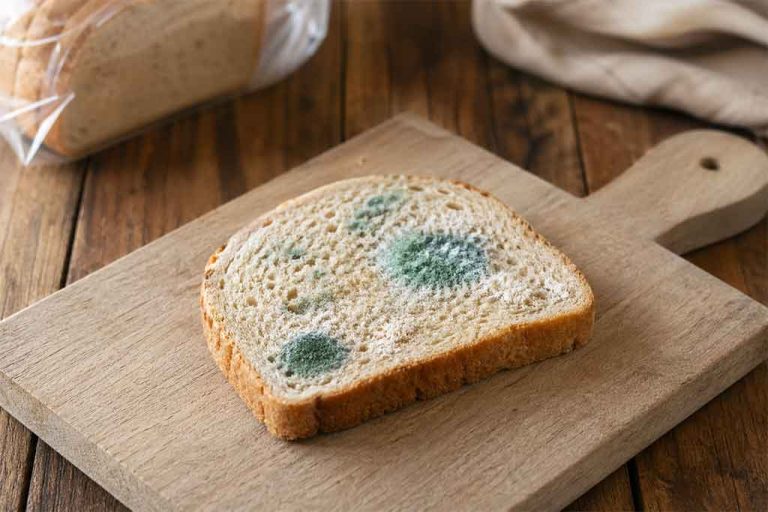
Mold is a type of fungus that grows in moist environments, especially on bread, fruit, cheese, and leftovers. Some molds are harmless in controlled food production, like those used in blue cheese. But the mold you find accidentally on spoiled food is a different story.
When you think about what happens if you eat mold, the biggest concern is not the fuzzy surface you see—it’s the invisible toxins some molds can produce. These toxins, called mycotoxins, can sometimes survive even after cooking.
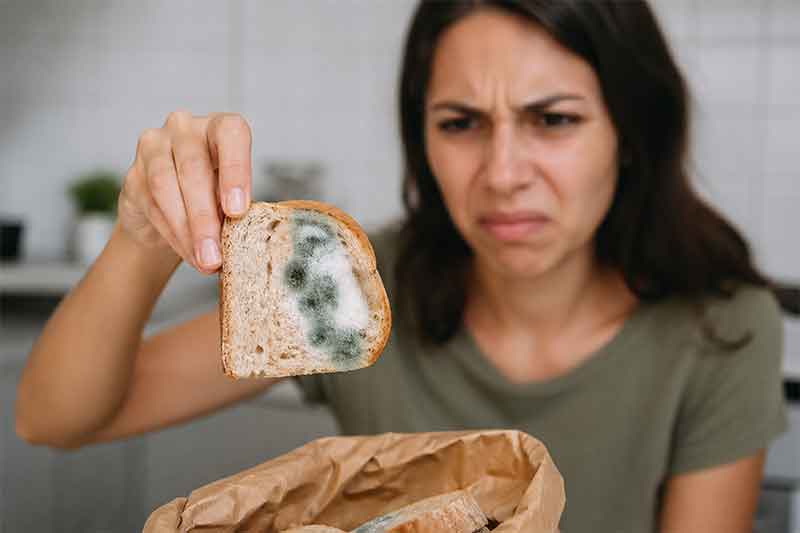
For most healthy people, swallowing a small bite of moldy food might only lead to mild symptoms like stomach upset or a bad taste in the mouth. However, sensitive individuals, children, pregnant women, and people with weak immune systems may experience stronger reactions.
Possible Symptoms After Eating Mold
If you accidentally consume mold, your body may react in different ways. The most common symptoms include:
- Nausea or mild vomiting
- Stomach cramps
- Diarrhea
- Headache or dizziness
- Allergic reactions such as sneezing or skin irritation
These symptoms usually appear shortly after ingestion and often resolve on their own. Still, if symptoms become severe or persist, medical attention is important.
In rare cases, certain molds can produce harmful compounds that affect the liver or kidneys over time. That’s why repeated exposure should always be avoided.
Understanding what happens if you eat mold helps you recognize when it’s just a minor issue and when it could be more serious.
When Mold Exposure Becomes Riskier
Not all mold exposure is equal. Some situations increase the risk of complications:
- Eating moldy dairy, meat, or cooked leftovers
- Consuming food with visible green, black, or white fuzzy patches
- Accidentally ingesting large amounts of spoiled food
- Having allergies or asthma
- Being pregnant or immunocompromised
For example, processed snacks or cured foods are sometimes confusing for people. If you’re unsure about food safety during pregnancy or specific food products, you might also find related discussions helpful, such as whether certain packaged snacks are safe like in this guide on eating processed meat snacks during pregnancy or alternatives like turkey sticks and pregnancy safety.
These examples show that food safety questions often overlap, especially when digestion sensitivity is higher.
Can Your Body Handle Mold Exposure?
In most cases, yes. The human digestive system is quite resilient. Stomach acid can neutralize many harmful microorganisms, and the immune system helps eliminate them before they cause damage.
That’s why a one-time incident of eating mold is usually not dangerous for healthy adults. The key concern in what happens if you eat mold is repeated exposure or eating food contaminated with toxic-producing molds.
Still, it’s not something to ignore. Even if symptoms are mild, your body is signaling that the food is unsafe.
What You Should Do If You Accidentally Eat Mold
If you realize you’ve eaten mold, here’s what usually helps:
- Drink water to stay hydrated
- Monitor symptoms for 24–48 hours
- Avoid eating more of the contaminated food
- Rest your stomach with light meals
- Seek medical help if severe symptoms appear
Most people recover quickly without treatment, but it’s always better to be cautious if you feel unusual discomfort.
How to Prevent Eating Mold in the First Place
Prevention is simple but often overlooked:
- Check food before eating, especially bread and fruits
- Store food properly in airtight containers
- Follow expiration dates, but also trust visual inspection
- Discard food that smells off or looks unusual
- Clean refrigerators regularly to avoid hidden mold growth
Food safety habits like these reduce the chance of ever wondering what happens if you eat mold in the first place.
Final Thoughts
So, what happens if you eat mold? In most cases, nothing serious—just mild digestive discomfort. But certain molds can produce toxins that make food unsafe, especially if consumed in larger amounts or by sensitive individuals.
The safest approach is simple: if food looks or smells questionable, don’t take the risk. Mold is nature’s way of telling you the food is no longer good to eat, even if part of it still looks fine.