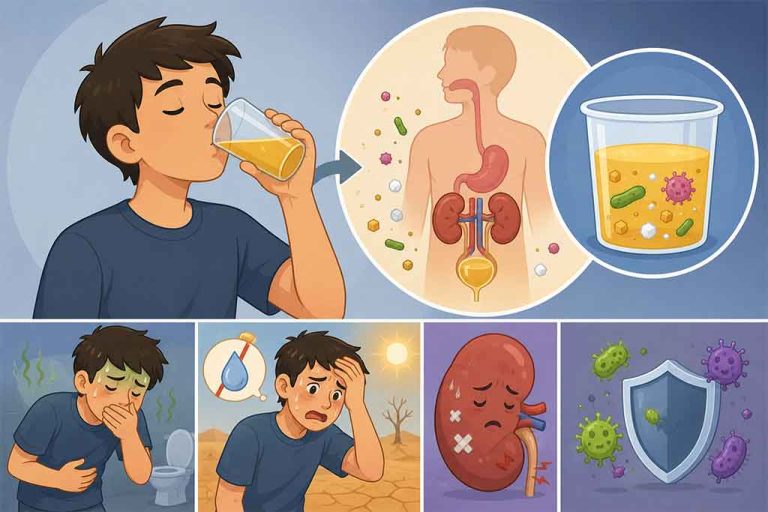

Eating undercooked chicken once can expose you to harmful bacteria like Salmonella or Campylobacter, which may lead to food poisoning within hours or days. In most cases, symptoms are mild and pass on their own, but sometimes they can be more serious depending on your immune system and how contaminated the chicken was.
If you’re wondering what happens if you eat undercooked chicken once, the short answer is this: you might be fine, or you might experience symptoms like stomach cramps, diarrhea, nausea, or fever. It’s unpredictable, which is why properly cooking chicken is always important.
Table of Contents
Why Undercooked Chicken Can Be Risky
Chicken often carries bacteria that are only killed when cooked at the right temperature. When it’s undercooked, those bacteria survive and enter your system.
The most common issue linked to what happens if you eat undercooked chicken once is food poisoning. This happens because your digestive system reacts to harmful microorganisms trying to invade your body.
Interestingly, this situation is similar to drinking spoiled milk by mistake, where bacteria can upset your stomach quickly.
Common Symptoms to Watch For
If you do get sick after eating undercooked chicken, symptoms usually show up within 6 to 48 hours. The severity varies from person to person.
Typical symptoms include:
• Diarrhea — sometimes severe and frequent
• Stomach cramps — sharp or constant discomfort
• Nausea and vomiting — your body trying to expel toxins
• Fever — a sign your immune system is fighting infection
These effects are similar to what people experience in cases like eating expired yogurt after 7 days, where bacterial growth becomes the main issue.
Will You Always Get Sick?
No, not always. What happens if you eat undercooked chicken once depends on several factors.
Your immune system plays a big role. Healthy adults sometimes don’t develop symptoms at all. The level of contamination also matters. A slightly undercooked piece may carry fewer bacteria than raw or heavily contaminated chicken.
Still, it’s a gamble. Even a small amount of bacteria can trigger illness, especially in children, elderly individuals, or those with weakened immune systems.
How Long Does It Last?
If symptoms appear, they usually last between 1 to 3 days. In some cases, especially with stronger infections, it can last up to a week.
During this time, staying hydrated is key. Your body is losing fluids, especially if diarrhea or vomiting occurs.
This pattern is similar to what happens in cases like eating moldy bread once, where symptoms are often temporary but still uncomfortable.
When Should You Be Concerned?
Most cases resolve on their own, but there are times when medical attention is necessary.
Seek help if you experience:
• High fever above 102°F (39°C)
• Blood in stool
• Severe dehydration
• Symptoms lasting more than 3–4 days
These signs could indicate a more serious infection that needs treatment.
What to Do If You Ate Undercooked Chicken
If you realize what happens if you eat undercooked chicken once might apply to you, don’t panic.
Start by monitoring your body. Drink plenty of water and avoid heavy foods for a while. Rest helps your body fight off any potential infection.
If no symptoms appear after 48 hours, you’re likely in the clear.
Situations like this aren’t too different from other everyday health risks, such as eating mold, where your body often handles minor exposure without long-term issues.
How to Prevent It Next Time
The best way to avoid dealing with what happens if you eat undercooked chicken once is simple: cook it properly.
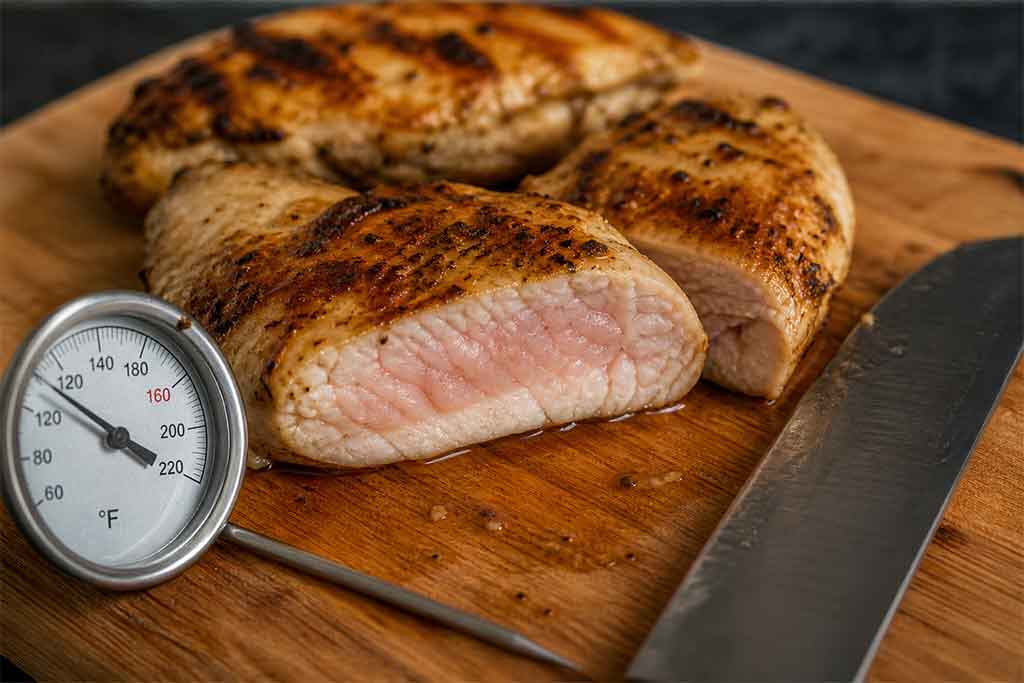
Chicken should reach an internal temperature of 165°F (74°C). The meat should be white all the way through, with no pink areas, and juices should run clear.
Using a food thermometer is the safest option, especially when cooking thick cuts.
Final Thoughts
So, what happens if you eat undercooked chicken once? In most cases, it leads to mild food poisoning or no symptoms at all. However, there’s always a risk, and sometimes that risk can turn into a very unpleasant experience.
One-time exposure usually isn’t dangerous for healthy individuals, but it’s not something to take lightly. Paying attention to food safety can save you from a lot of discomfort later.