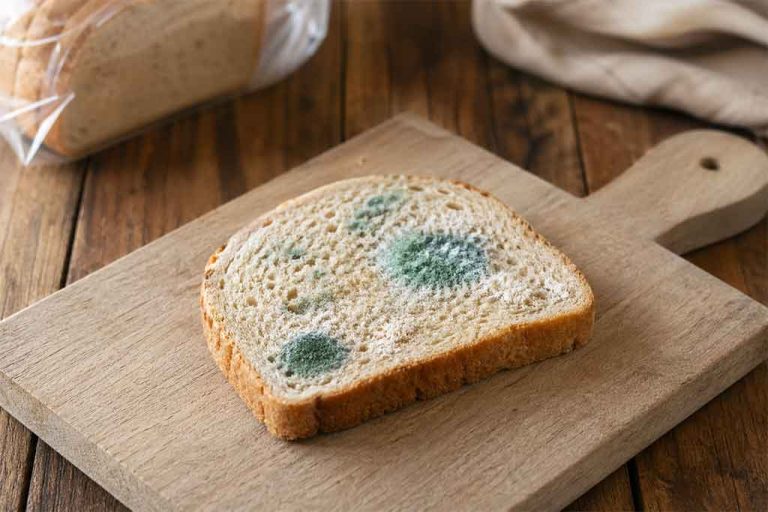


If you accidentally eat moldy bread once, the most likely outcome is… nothing serious. In most healthy adults, the body can handle a small exposure without major problems. You might feel fine, or at worst experience mild stomach discomfort. Still, that doesn’t mean it’s completely harmless.
Mold isn’t just that fuzzy spot you see. It can spread deeper into the bread and may carry harmful substances called mycotoxins. So even if one bite doesn’t always lead to illness, it’s not something you should ignore.
Table of Contents
Is Eating Moldy Bread Once Dangerous?
For most people, eating moldy bread once won’t cause severe health issues. Your stomach acid is strong enough to kill many microbes. However, some molds produce toxins that can irritate your digestive system.
Common short-term effects include:
- Slight nausea
- Mild stomach cramps
- A weird aftertaste or throat irritation
People with allergies, asthma, or weakened immune systems may react more strongly. In those cases, symptoms like coughing, sneezing, or even breathing discomfort can show up.
If you’re curious about broader risks, this guide on what happens if you eat mold explains how different molds affect the body.
Why Moldy Bread Is Riskier Than It Looks
Bread is soft and porous. That means mold doesn’t stay on the surface. Even if you cut off the visible mold, invisible roots (called hyphae) may already spread throughout the slice.
That’s why experts say you should throw away the whole loaf, not just the moldy part.
Compared to harder foods, bread is more likely to carry hidden contamination. It’s similar to situations discussed in what happens if you eat expired yogurt after 7 days, where bacteria and spoilage aren’t always obvious.
What Happens Inside Your Body
After eating moldy bread once, your body reacts quickly:
- Digestive system: Stomach acid breaks down many harmful elements
- Immune system: Identifies and neutralizes potential threats
- Gut response: May trigger mild discomfort if irritated
In rare cases, certain molds produce mycotoxins that your body struggles to process. This can lead to stronger symptoms like vomiting or diarrhea, but that usually happens with larger or repeated exposure.
Who Should Be More Careful?
While most people are fine, some groups need extra caution:
- Pregnant women
- Children
- Elderly individuals
- People with weakened immune systems
For example, food safety is especially important during pregnancy, as explained in what happens if you eat slim jims while pregnant. The same principle applies here—avoid questionable food entirely.
What Should You Do After Eating It?
If you realize you ate moldy bread once, don’t panic. Just monitor how you feel.
Here’s what you can do:
- Drink water to stay hydrated
- Avoid eating more of the same bread
- Watch for symptoms over the next 24 hours
Seek medical help if you experience:
- Persistent vomiting
- Severe stomach pain
- Difficulty breathing
- Allergic reactions
Most of the time, none of this happens. Your body handles it quietly.
How to Prevent It Next Time
Avoiding moldy bread is simple with a few habits:
- Store bread in a cool, dry place
- Check expiration dates
- Use airtight containers
- Freeze bread if you won’t eat it soon
Food safety habits matter more than people think. Even small risks can add up over time, just like lifestyle habits discussed in what happens if you sit for 10 hours a day.
Final Takeaway
So, what happens if you eat moldy bread once? Usually, not much. Most healthy people won’t experience serious effects. But that doesn’t make it safe.
Mold can carry hidden toxins, and bread is one of the easiest foods for it to spread unnoticed. If it happens once, you’re probably fine. Just don’t make it a habit.
When in doubt, throw it out.