
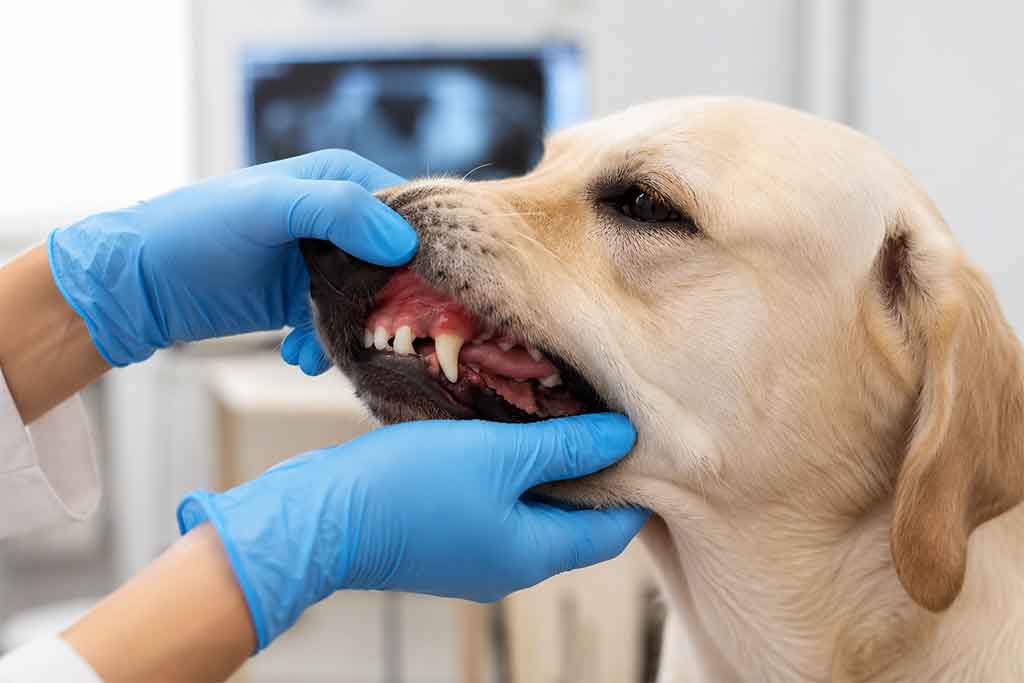

If a Dog Loses a Tooth What Happens? If a dog loses a tooth, what happens next depends on the dog’s age, overall health, and the reason behind the tooth loss. Puppies naturally lose baby teeth as they grow, but adult dogs losing teeth can be a warning sign of dental disease, injury, infection, or poor oral health. In some cases, a missing tooth may not cause major problems. In other situations, it can lead to pain, bleeding, trouble eating, gum infections, or even jaw complications if left untreated.
Adult dogs are supposed to keep their permanent teeth for life. That means unexpected tooth loss should never be ignored. A loose or missing tooth often points to an underlying issue that needs attention from a veterinarian.
Dental health affects more than just a dog’s mouth. Bacteria from severe gum disease can spread into the bloodstream and impact organs such as the heart, kidneys, and liver. That is why early treatment matters.
Table of Contents
Is It Normal for Dogs to Lose Teeth?
Yes, but only for puppies. Just like human children, puppies lose baby teeth during the teething stage. Most puppies start losing teeth at around 3 to 4 months old, and their adult teeth usually come in by 6 to 7 months.
During this period, you may notice small teeth on the floor, mild bleeding, excessive chewing, or irritated gums. This is completely normal and usually does not require treatment.
However, if an adult dog loses a tooth, the situation is very different. Permanent teeth should stay in place throughout adulthood. Losing one unexpectedly usually signals a problem.
Common Reasons Why Adult Dogs Lose Teeth
Periodontal Disease
The most common reason adult dogs lose teeth is periodontal disease. This condition starts when plaque and tartar build up around the gums. Over time, bacteria damage the tissue and bone supporting the teeth.
Dogs with severe periodontal disease may experience:
- Loose teeth
- Bleeding gums
- Bad breath
- Difficulty chewing
- Swollen gums
- Tooth loss
Small dog breeds are especially prone to dental disease because their teeth are crowded closer together.
Trauma or Injury
A dog can lose a tooth after an accident or injury. Hard chewing on rocks, bones, cages, or sticks may crack or dislodge teeth. Dogs involved in fights or falls can also suffer dental trauma.
In these cases, the tooth may break partially or fall out completely.
Tooth Root Infection
An infected tooth root weakens the surrounding structure and may eventually cause the tooth to loosen and fall out. Root infections are painful and can create swelling under the eye or jaw.
Poor Nutrition
Long-term nutritional deficiencies can weaken teeth and gums. Dogs need balanced nutrition to maintain strong bones and healthy oral tissue.
If your dog consumes unhealthy foods regularly, dental issues may appear faster. Some pet owners also wonder about unusual foods and drinks affecting dogs. For example, this article about what happens if a dog drinks orange juice explains how certain acidic drinks may irritate a dog’s digestive system and overall health.
Age-Related Tooth Loss
Older dogs sometimes lose teeth naturally due to years of wear and gum deterioration. Even then, tooth loss should still be checked by a veterinarian because pain and hidden infection are common.
Signs Your Dog Has a Dental Problem
Sometimes owners do not notice missing teeth immediately. Dogs are surprisingly good at hiding pain. Watch for these warning signs:
- Bad breath
- Drooling more than usual
- Pawing at the mouth
- Bleeding gums
- Difficulty chewing
- Refusing hard food
- Swelling around the face
- Loose teeth
- Yellow or brown tartar buildup
- Behavior changes or irritability
If a dog loses a tooth and shows any of these symptoms, a dental exam is important.
What Happens If a Dog Loses a Tooth and It Is Left Untreated?
Ignoring tooth loss can create bigger health problems. The empty socket may become infected, especially if the tooth fell out because of gum disease.
Untreated dental infections may lead to:
- Chronic pain
- Difficulty eating
- Weight loss
- Bone damage
- Abscesses
- Spread of bacteria into organs
- Jaw fractures in severe cases
In advanced situations, dogs can suffer long-term complications that affect their quality of life.
What to Do Immediately After Your Dog Loses a Tooth
If your adult dog loses a tooth, stay calm and inspect the mouth carefully.
Check for Bleeding
Mild bleeding may happen briefly after tooth loss. Persistent bleeding should be examined by a vet.
Look for Swelling or Broken Teeth
Sometimes only part of the tooth falls out while the root remains inside the gum. Broken roots can become infected quickly.
Avoid Hard Foods
Feed soft food temporarily to prevent discomfort while the mouth heals.
Schedule a Veterinary Visit
Even if your dog seems fine, dental X-rays and an oral exam can reveal hidden problems.
How Veterinarians Treat Tooth Loss in Dogs
Treatment depends on the cause.
Dental Cleaning
If gum disease caused the problem, professional cleaning under anesthesia may remove plaque and bacteria.
Tooth Extraction
Damaged or infected teeth sometimes need surgical extraction to prevent further pain.
Antibiotics and Pain Relief
Dogs with infections often receive antibiotics and anti-inflammatory medication.
Dental X-Rays
X-rays help identify hidden root damage or bone loss beneath the gums.
Can Dogs Eat Normally After Losing Teeth?
Yes, many dogs adapt surprisingly well after losing teeth. Dogs do not chew food the same way humans do. Even dogs with several missing teeth can often continue eating comfortably.
However, soft food may be easier for dogs with advanced dental disease or multiple extractions.
Some owners switch to:
- Wet dog food
- Softened kibble
- Fresh food diets approved by veterinarians
Dogs missing only one tooth usually continue eating normally once pain and inflammation are treated.
How to Prevent Tooth Loss in Dogs
Preventive care is the best way to protect your dog’s teeth.
Brush Your Dog’s Teeth
Daily brushing removes plaque before it hardens into tartar. Use toothpaste designed specifically for dogs.
Provide Dental Chews
Safe dental chews help reduce plaque buildup and support gum health.
Regular Vet Checkups
Annual dental exams can catch early problems before teeth become loose.
Avoid Extremely Hard Objects
Do not allow dogs to chew rocks, antlers, hard nylon toys, or cooked bones that may fracture teeth.
Healthy Nutrition
A balanced diet supports strong teeth, healthy gums, and overall wellness.
Do Some Dog Breeds Lose Teeth More Easily?
Yes. Small breeds are more likely to develop dental disease because of crowded teeth.
Breeds with higher dental risk include:
- Chihuahuas
- Yorkshire Terriers
- Toy Poodles
- Dachshunds
- Pomeranians
These breeds often need more frequent dental cleanings throughout life.
When Is Tooth Loss an Emergency?
You should contact a veterinarian immediately if your dog:
- Has severe bleeding
- Cannot eat or drink
- Shows facial swelling
- Cries when touching the mouth
- Has pus around the gums
- Experiences trauma after an accident
Fast treatment can prevent infection and reduce pain.
Final Thoughts
If a dog loses a tooth, what happens afterward depends mostly on why the tooth was lost in the first place. Puppies naturally lose baby teeth, but adult dogs losing permanent teeth often signals dental disease, injury, or infection. While some dogs continue eating normally after tooth loss, ignoring the problem can lead to serious health complications over time.
The good news is that many dental issues are preventable with regular brushing, proper nutrition, safe chewing habits, and veterinary care. Paying attention to your dog’s mouth today can help avoid painful problems later.