
How If Offshore Exploration Done? Offshore exploration is done by searching for oil and natural gas beneath the ocean floor using advanced technology, research ships, drilling rigs, and seismic surveys. The process starts long before drilling begins. Companies first study underwater geology, scan the seabed, and collect data to find possible energy reserves. Once a location looks promising, offshore drilling equipment is brought in to test and extract resources safely.
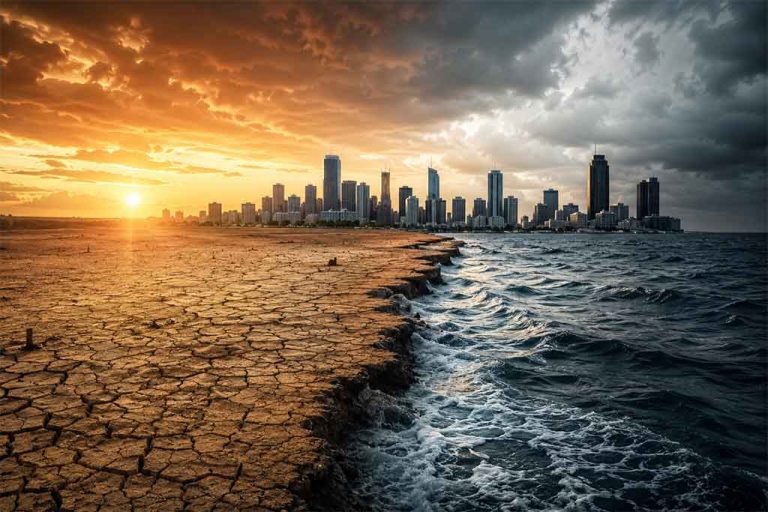
The entire offshore exploration process can take years and costs millions of dollars. It involves engineers, geologists, environmental experts, and heavy equipment working together in harsh ocean conditions. Similar to understanding what happens when the climate clock runs out, offshore energy exploration also connects closely with environmental concerns and long-term global energy needs.
Table of Contents
What Is Offshore Exploration?
Offshore exploration is the process of searching for oil and gas deposits under the seabed. These resources are usually found deep beneath layers of rock under oceans, seas, or large coastal waters.
Energy companies perform offshore exploration because many land-based oil reserves are becoming harder to find. Offshore fields often contain large amounts of untapped energy resources.
The process uses scientific surveys, underwater mapping, and drilling technology to locate possible oil reservoirs. Once confirmed, companies may start offshore drilling operations.
How Offshore Exploration Done Step by Step
The offshore exploration process follows several important stages. Each step helps reduce risk and improves the chances of finding valuable resources.
1. Geological Surveys
The first step involves studying the ocean floor and underground rock formations. Geologists analyze satellite images, old drilling records, and seabed samples.
They look for signs that oil or gas may exist beneath the seabed. Certain rock formations can trap hydrocarbons over millions of years.
This stage is similar to troubleshooting hidden problems, much like learning what happens if you never update your apps before issues become serious.
2. Seismic Surveys
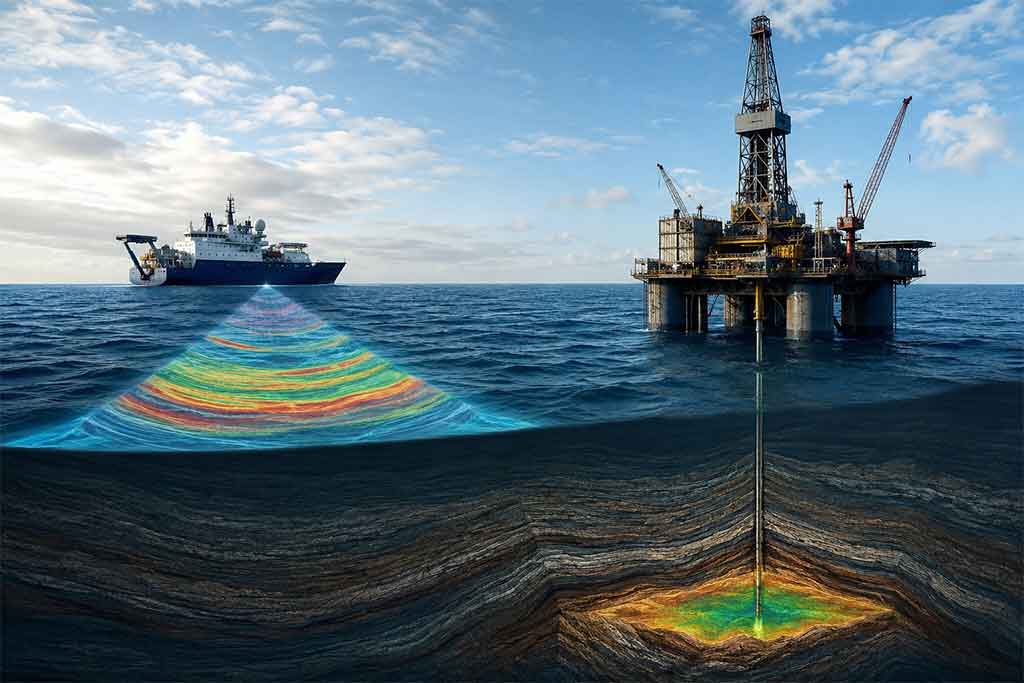
Seismic surveys are one of the most important parts of offshore exploration. Special ships send sound waves deep into the seabed. These sound waves bounce back after hitting underground rock layers.
Computers then create detailed 3D images of the underground structures. Experts study these images to identify possible oil and gas traps.
Modern seismic technology can produce highly accurate underground maps, helping reduce unnecessary drilling.
3. Exploratory Drilling
After identifying a promising area, companies begin exploratory drilling. Large offshore rigs drill deep holes into the ocean floor to confirm whether oil or gas exists.
There are several types of offshore rigs:
- Jack-up rigs for shallow water
- Semi-submersible rigs for deep water
- Drillships for ultra-deepwater exploration
The drilling process can extend thousands of feet below the seabed. Engineers collect rock and fluid samples to evaluate the reservoir.
4. Resource Evaluation
If oil or gas is discovered, experts calculate how much resource is available. They also study whether extraction would be profitable.
Not every discovery becomes a production site. Some reserves are too small or too expensive to develop.
Companies also evaluate environmental risks and safety concerns before moving forward.
Offshore Drilling Technology Used Today
Modern offshore exploration depends heavily on advanced technology. Deepwater drilling would be impossible without modern engineering systems.
Some common technologies include:
- Remote-operated underwater robots
- GPS positioning systems
- Dynamic drilling control systems
- Subsea pipelines
- 3D seismic imaging
These technologies help crews work safely in rough ocean conditions. Offshore platforms often operate 24 hours a day in isolated areas far from land.
Technology failures offshore can create serious problems, similar to what happens if your phone overheats often, where systems become unstable under extreme stress.
Environmental Concerns About Offshore Exploration
Offshore exploration can impact marine ecosystems if not managed properly. Oil spills, underwater noise, and drilling waste are major concerns.
Governments usually require strict environmental regulations before approving offshore projects. Companies must prepare emergency response plans and monitor marine wildlife during operations.
Many environmental groups worry about the long-term effects of fossil fuel extraction on climate change.
This is why renewable energy discussions continue growing worldwide alongside offshore energy development.
Why Offshore Exploration Matters
Offshore exploration plays a major role in global energy supply. Many countries rely on offshore oil and gas production to power industries, transportation, and homes.
Large offshore reserves exist in places like:
- The Gulf of Mexico
- The North Sea
- Brazil’s offshore basins
- The South China Sea
- West Africa
Without offshore exploration, global energy shortages could become more severe.
At the same time, countries are trying to balance energy production with cleaner alternatives.
Risks Involved in Offshore Exploration
Working offshore is dangerous and expensive. Crews face harsh weather, heavy machinery, and deepwater pressure conditions.
Some common risks include:
- Oil spills
- Equipment failure
- Blowouts
- Storm damage
- Fire hazards
The 2010 Deepwater Horizon disaster showed how serious offshore accidents can become. Since then, safety rules and drilling standards have become stricter worldwide.
Unexpected offshore emergencies can escalate quickly, much like what happens if you never turn off your phone after prolonged stress on the system.
The Future of Offshore Exploration
The future of offshore exploration will likely focus on safer and cleaner technologies. Companies are investing in automation, artificial intelligence, and lower-emission drilling systems.
Some offshore platforms are already using renewable energy sources to reduce fuel consumption.
At the same time, global demand for oil and gas remains high, especially in developing economies. Because of this, offshore exploration will probably continue for decades.
However, environmental pressure and climate policies may reshape how offshore energy projects operate in the future.
Conclusion
Understanding how if offshore exploration done is easier when broken into simple steps. The process starts with geological studies and seismic surveys, followed by offshore drilling and resource evaluation. Offshore exploration helps supply global energy needs, but it also carries environmental and safety challenges.
Modern offshore drilling technology has made deepwater exploration more efficient and safer than before. Even so, balancing energy production with environmental responsibility remains one of the biggest challenges facing the industry today.