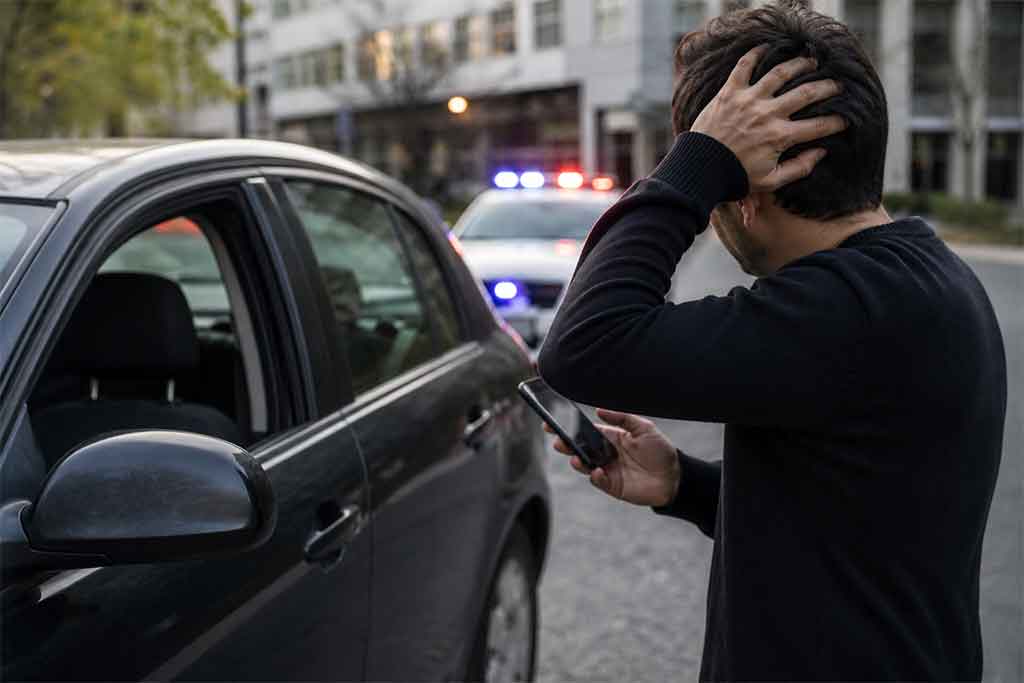

What Would Happen If Your Car Were Stolen and You Didn’t Have Auto Insurance? – If your car is stolen and you don’t have auto insurance, the reality is blunt: you’re responsible for the full financial loss. There’s no payout, no reimbursement, and no safety net. You’ll likely have to replace the vehicle out of pocket, continue paying any remaining loan, and deal with the disruption to your daily life. This situation can escalate quickly from inconvenience to serious financial strain, especially if the car was essential for work or family needs.
That’s the direct answer. Now let’s unpack what this actually looks like in real life, because the consequences go deeper than just losing a car.
Table of Contents
The Immediate Impact: You Lose the Car—and the Value
The moment your car is stolen, its entire value effectively disappears from your assets. Without comprehensive auto insurance, there’s no claim to file that results in compensation. You’re left hoping the vehicle is recovered, which statistically becomes less likely as time passes.
This is where the situation hits hardest: you don’t just lose transportation—you lose the money you invested in the car. Whether you paid cash or financed it, the financial gap becomes very real, very fast.
Think of it like neglecting something small that leads to bigger consequences—similar to what happens if you never restart your laptop. At first, it seems minor. Then everything slows down, crashes, and you’re stuck fixing a much larger problem than expected.
If You Still Owe Money on the Car
Here’s where things get particularly rough. If your car was financed, the loan doesn’t disappear just because the car did. You’re still legally obligated to pay the remaining balance.
That means you could be making monthly payments on a vehicle you no longer have. No transportation, but still a bill.
This scenario catches a lot of people off guard. They assume losing the car somehow cancels the debt. It doesn’t. Lenders care about the loan agreement, not the car’s physical existence.
Without insurance, there’s no payout to cover the remaining balance. So now you’re dealing with a double hit: no car and ongoing payments.
Police Reports and Recovery Chances
After reporting the theft, law enforcement will log the incident and potentially search for the vehicle. In some cases, stolen cars are recovered—sometimes intact, sometimes damaged, and sometimes stripped for parts.
If the car is recovered, you might get it back. But depending on the condition, you could still face repair costs. And without insurance, those repairs come straight out of your pocket.
Even if the car returns, it might not return the same way you left it.
The Hidden Costs You Didn’t Expect
Losing a car isn’t just about replacing it. There are ripple effects:
– Transportation costs (rideshares, taxis, public transit)
– Missed work or reduced income
– Rental car expenses
– Administrative costs (new registration, paperwork)
– Time lost dealing with the aftermath
These small costs stack up quickly. Over time, they can rival or even exceed what insurance premiums would have been.
It’s similar to how small habits can snowball into bigger consequences—like what happens if you check your phone every 5 minutes. Individually harmless, collectively disruptive.
Emotional and Lifestyle Disruption
There’s also the mental side of this situation. Losing a car unexpectedly creates stress, uncertainty, and frustration. It disrupts routines—getting to work, picking up kids, running errands—all suddenly become complicated.
If your job depends on driving, the impact can be immediate and severe. Even if it doesn’t, losing that independence can feel limiting.
This kind of disruption often hits harder than people anticipate. It’s not just about the object—it’s about what the object enables in your daily life.
Why Insurance Matters in This Scenario
Comprehensive auto insurance is specifically designed for situations like theft. If you had it, the process would look very different:
– You file a claim
– The insurer assesses the situation
– You receive compensation based on the car’s value (minus deductible)
That payout doesn’t erase the inconvenience, but it prevents financial damage from spiraling out of control.
Without it, you absorb 100% of the loss.
Can You Do Anything to Recover Your Loss?
Realistically, options are limited. You can:
– Work with police to recover the vehicle
– Check if any third-party liability applies (rare)
– Explore financial assistance or loans for replacement
But none of these are guaranteed or immediate solutions. Most people end up replacing the car using savings or financing a new one.
It’s a reactive position instead of a protected one.
Prevention: The Part Most People Ignore
While insurance is the main safety net, prevention still matters. Basic steps can reduce risk:
– Parking in well-lit areas
– Using steering wheel locks
– Installing GPS tracking systems
– Avoiding leaving valuables in plain sight
These don’t eliminate risk entirely, but they make your vehicle a less attractive target.
It’s the same principle as maintaining everyday habits to avoid bigger problems—like what happens if you don’t clean your room for a month. Ignore small risks long enough, and they turn into larger issues.
The Financial Reality Check
Many people skip comprehensive insurance to save money. On the surface, it makes sense—lower monthly costs, less immediate expense.
But situations like car theft expose the trade-off.
You’re essentially betting that nothing significant will happen. Most of the time, that bet works. But when it doesn’t, the cost isn’t just higher—it’s overwhelming.
This is where the idea of risk management comes into play. It’s not about expecting bad things to happen. It’s about being prepared if they do.
Is It Ever “Okay” to Go Without Insurance?
In some cases, people choose to skip comprehensive coverage on older vehicles with low market value. If replacing the car wouldn’t create financial strain, the risk might be acceptable.
But for newer cars, financed vehicles, or anything essential to your daily life, the risk becomes much harder to justify.
It comes down to one question: can you afford to lose the car completely?
If the answer is no, then going without insurance is a gamble.
Comparing Risk: Small Choices, Big Consequences
This situation mirrors a pattern seen in many areas of life—small decisions that seem harmless until they aren’t.
Like what happens if you use your phone before bed every night, the immediate effect feels minor. But over time, the cumulative impact becomes noticeable.
Skipping insurance works the same way. Nothing happens—until something does. And when it does, the consequences are immediate and significant.
What Most People Learn Too Late
The biggest takeaway from this scenario is simple: the cost of prevention is usually smaller than the cost of recovery.
People often realize this only after experiencing loss. It’s not about regret—it’s about understanding how risk works in real life.
Insurance isn’t exciting. It’s not something you think about daily. But in moments like this, it becomes one of the most important decisions you’ve made—or didn’t make.
Final Thoughts
If your car is stolen and you don’t have auto insurance, you face the full financial and practical consequences alone. There’s no compensation, no backup plan, and no easy way out. You lose the vehicle, potentially continue paying for it, and absorb all related costs.
It’s a tough situation, but also a clear example of how risk and preparation intersect. The absence of a safety net doesn’t matter—until it suddenly matters a lot.
And by then, the only option left is dealing with the aftermath.