
What Happens If You Eat Expired Eggs? Eating expired eggs can cause stomach problems, food poisoning, nausea, vomiting, diarrhea, and cramps, especially if the eggs are spoiled or contaminated with bacteria like Salmonella. In some cases, nothing serious happens if the eggs were stored properly and are only slightly past the expiration date. However, bad eggs can quickly become dangerous when they develop bacteria or rot inside the shell.
The biggest problem with expired eggs is bacterial growth. Eggs naturally lose freshness over time, and older eggs become more vulnerable to contamination. If an egg smells bad, looks unusual, or has been stored incorrectly, eating it can increase the risk of foodborne illness.
Before cooking old eggs, it helps to understand how to tell if eggs are bad before you eat them so you can avoid serious stomach issues.
Table of Contents
Can You Eat Eggs After the Expiration Date?
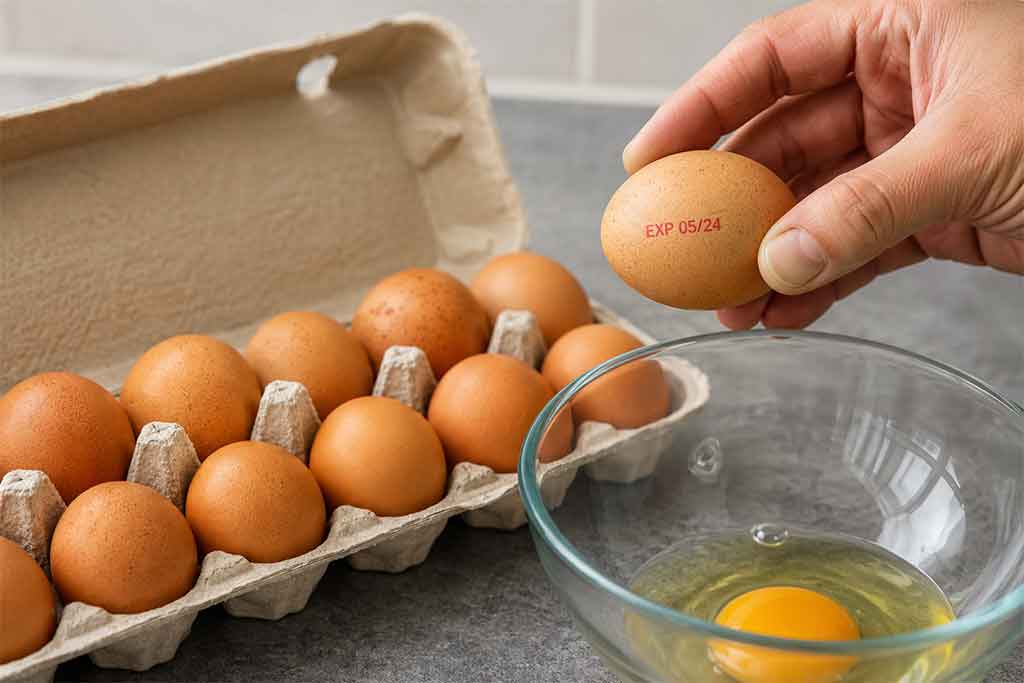
Yes, you sometimes can. The expiration date on egg cartons is usually a guideline for peak freshness rather than an exact spoilage date. Refrigerated eggs often stay safe for several weeks after the printed date if they were stored properly at a stable cold temperature.
Still, there is a difference between old eggs and spoiled eggs. Older eggs may lose texture and flavor, but spoiled eggs contain harmful bacteria and should never be eaten.
Many people eat expired eggs without getting sick because the eggs are still safe internally. The risk increases when eggs are cracked, stored at room temperature too long, or exposed to temperature changes.
What Happens If You Eat a Bad Egg?
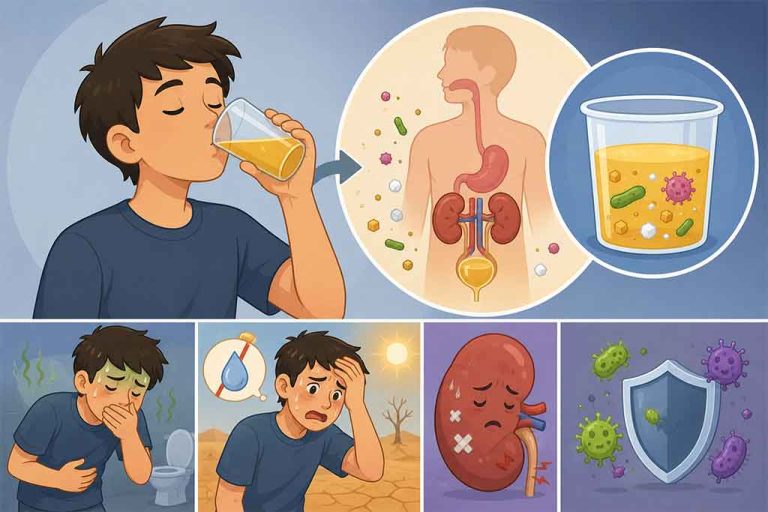
If you eat a spoiled egg, symptoms can appear within a few hours or even a couple of days. The most common issue is food poisoning.
Common symptoms include:
- Stomach pain
- Nausea
- Vomiting
- Diarrhea
- Fever
- Headaches
- Weakness
In more serious cases, contaminated eggs may contain Salmonella bacteria. Salmonella infection can be severe for children, elderly adults, pregnant women, and people with weak immune systems.
Most healthy adults recover within a few days, but severe dehydration may require medical treatment.
How to Know If Eggs Are Expired
There are several easy ways to check whether eggs are still safe.
1. Smell the Egg
A rotten egg has a strong sulfur or rotten smell. Even a slight unpleasant odor is a warning sign. Fresh eggs should have almost no smell at all.
2. Check the Shell
If the shell feels slimy, powdery, or cracked, bacteria may already be growing inside. Discard the egg immediately.
3. Look at the Egg Contents
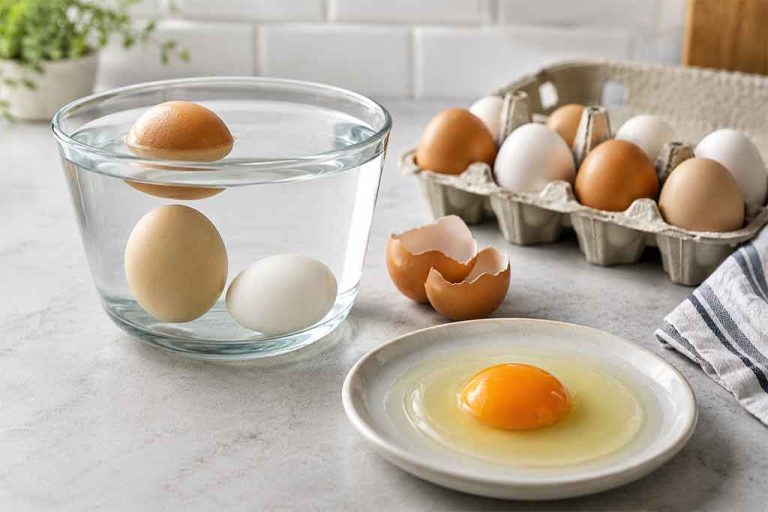
Crack the egg into a bowl before cooking. If the yolk looks discolored or the egg white appears watery with strange particles, it may be spoiled.
4. Do the Float Test
Place the egg in a bowl of water. Fresh eggs sink, while older eggs stand upright or float because air builds up inside the shell over time.
Floating does not always mean the egg is unsafe, but it usually means the egg is old and should be checked carefully.
Why Expired Eggs Become Dangerous
Eggshells are porous, which means air and bacteria can slowly pass through over time. As eggs age, the protective barrier weakens, making contamination more likely.
Improper storage speeds up this process. Eggs left out for several hours in warm temperatures become risky much faster than refrigerated eggs.
Cross-contamination also matters. If raw egg liquid touches kitchen surfaces, bacteria can spread to other foods.
This is similar to the risks discussed in what happens if you eat expired yogurt after 7 days, where bacterial growth becomes the main concern after food passes its safe storage period.
How Long Do Eggs Last in the Fridge?
Fresh eggs usually last around 3 to 5 weeks in the refrigerator. Cooked eggs have a shorter lifespan and should generally be eaten within one week.
Hard-boiled eggs last about 7 days when refrigerated properly.
To keep eggs fresh longer:
- Store them in the refrigerator immediately
- Keep them in the original carton
- Avoid temperature changes
- Do not wash eggs before storing them
- Keep them away from strong odors
Can Cooking Kill the Bacteria?
Cooking eggs thoroughly can kill many harmful bacteria, including Salmonella. However, cooking cannot always make spoiled eggs safe again if the egg has already rotted.
If an egg smells bad or looks suspicious, do not try to “save” it by cooking it longer. Throw it away.
Undercooked eggs carry more risk than fully cooked eggs. Dishes like homemade mayonnaise, raw cookie dough, and soft scrambled eggs may expose you to bacteria if expired eggs are used.
What Should You Do After Eating Expired Eggs?
If you accidentally eat expired eggs and feel fine, there may be no reason to panic. Many slightly old eggs are still harmless.
However, if symptoms start appearing, drink plenty of fluids and monitor your condition carefully.
Seek medical attention if you experience:
- Persistent vomiting
- Bloody diarrhea
- High fever
- Severe dehydration
- Difficulty breathing
- Symptoms lasting more than a few days
Food poisoning can become serious quickly in vulnerable individuals.
Expired Eggs vs Rotten Eggs
People often confuse expired eggs with rotten eggs, but they are not exactly the same thing.
Expired eggs are simply older eggs that passed the printed date. They may still be safe.
Rotten eggs are eggs that have spoiled and should never be consumed.
The key is checking freshness rather than relying only on the date printed on the carton.
Food spoilage works similarly across many products. For example, eating moldy bread can also expose you to bacteria and toxins, which is explained further in what happens if you eat moldy bread once.
Final Thoughts
What happens if you eat expired eggs depends on whether the eggs are still safe or already spoiled. Slightly old eggs stored correctly may not cause any issues, but rotten eggs can lead to food poisoning and serious stomach problems.
The safest approach is to inspect eggs carefully before cooking. Smell, appearance, storage conditions, and texture matter more than the printed date alone.
When in doubt, throwing away questionable eggs is always better than risking foodborne illness.