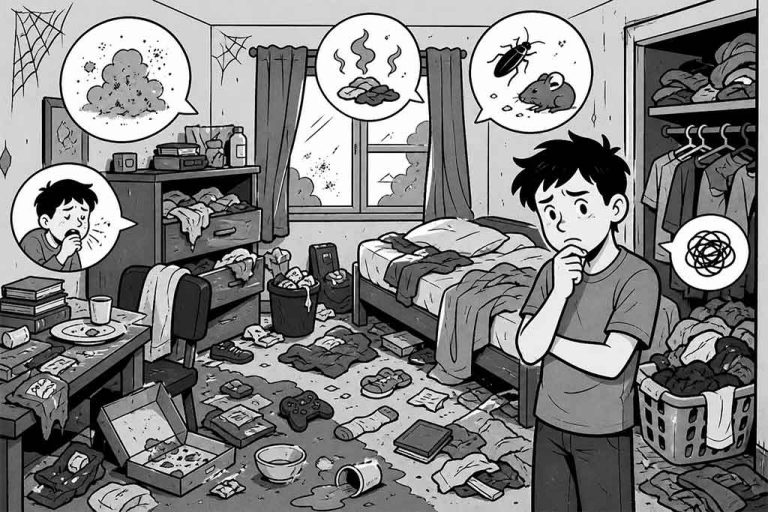
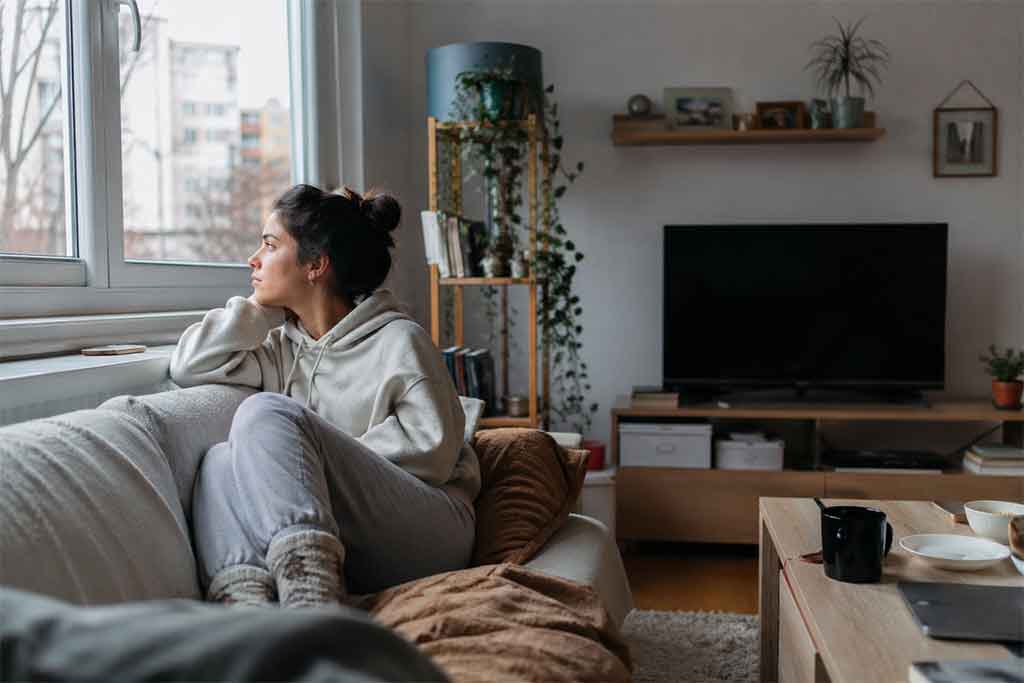

What happens if you don’t leave your house for a week? For most healthy people, one week indoors usually won’t cause serious harm, but it can affect your mood, sleep, energy, movement, and sense of routine faster than many expect. Even a short stretch of staying inside can make you feel sluggish, restless, mentally foggy, or strangely tired. The less sunlight, movement, and social contact you get, the more noticeable the effects can become.
If you work from home, recover from illness, or simply need a quiet reset, staying indoors for seven days is not automatically dangerous. But if it turns into total isolation with little exercise and no fresh air, your body and mind may push back.
Table of Contents
Your Mood Can Shift Quickly
One of the first things many people notice is a change in mood. Days can start blending together. Without errands, outdoor walks, or casual human contact, boredom often arrives early. Some people feel calm at first, then become irritable or anxious after a few days.
Natural light helps regulate mood and alertness. If your curtains stay closed and your routine slips, motivation can dip. This is similar to how disrupted habits can affect people who read about using your phone before bed every night, where sleep and mood often feed into each other.
Your Sleep Schedule May Drift
When there is nowhere to go, bedtime and wake-up time often become flexible. That sounds harmless, but your internal clock likes consistency. Staying indoors all week can lead to later nights, random naps, and groggy mornings.
Sunlight in the morning helps tell your brain it is time to be awake. Without it, many people feel less sharp during the day and more awake late at night. If you already struggle with routine, compare it to people trying waking up at 5am every day for a week, where schedule consistency becomes the real challenge.
Your Body May Feel Stiff and Heavy
What happens if you don’t leave your house for a week physically depends on how active you stay indoors. If you mostly sit, lie down, and move very little, your muscles may tighten and your energy may drop. Even seven days of lower activity can leave your back sore, hips stiff, or legs restless.
Long sitting periods matter more than people think. That is why topics like sitting for 10 hours a day get attention. The body likes regular movement, even light movement.
You Might Feel Socially “Off”
Some alone time is healthy. Too much can make simple conversations feel awkward when you finally step outside again. After a week indoors, some people feel disconnected or unusually self-conscious. Others feel emotionally flat.
This does not happen to everyone. Introverts may enjoy the quiet longer than extroverts. Still, humans are social by nature, and even brief contact can help keep your mind balanced.
How to Stay Indoors Without Feeling Worse
If you need to stay home for a week, the goal is structure. Try these basics:
- Open curtains early and get daylight through windows.
- Walk around the house every hour.
- Do a short workout or stretch session daily.
- Keep regular sleep and meal times.
- Call or message someone you trust.
- Step outside briefly if possible, even onto a porch or balcony.
When It Becomes a Bigger Problem
If staying inside continues beyond a week and comes with sadness, panic, poor hygiene, skipped meals, or fear of leaving home, it may point to a deeper issue. Isolation can slowly grow into a serious mental health challenge.
What happens if you don’t leave your house for a week is usually manageable. What happens if you don’t leave your house for months is a different story entirely.
Final Answer
What happens if you don’t leave your house for a week? Most people experience mild but real effects: lower energy, sleep disruption, stiffness, boredom, and mood changes. It is usually temporary and reversible. Stay active, keep a routine, and get light exposure, and one week indoors is far less likely to drag you down.