
When the climate clock runs out, it means the world has likely crossed a dangerous limit where global warming becomes much harder to control. Scientists use the climate clock to show how much time humanity has left to reduce carbon emissions before the planet reaches critical temperature increases, especially the 1.5°C threshold mentioned in international climate agreements.
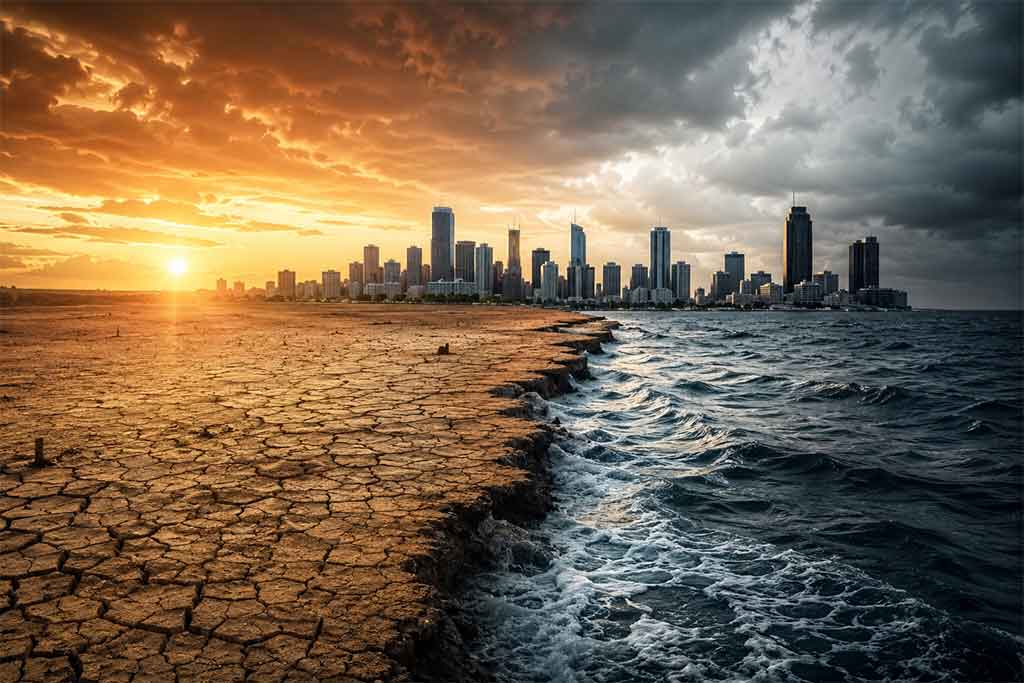
If that deadline passes without major action, the effects could include stronger heatwaves, rising sea levels, extreme storms, food shortages, water crises, ecosystem collapse, and economic instability. Some climate changes may also become irreversible for hundreds or even thousands of years.
The idea sounds dramatic because it is. But the climate clock is not a literal countdown to the end of Earth. It is a warning system designed to push governments, industries, and everyday people to act before climate damage gets much worse.
Table of Contents
What Is the Climate Clock?
The climate clock is a public display that estimates how much time remains before Earth exceeds the global carbon budget. That budget refers to the amount of carbon dioxide humans can still release while keeping warming below dangerous levels.
The clock is based on data from climate scientists and organizations studying greenhouse gas emissions. It constantly changes depending on global emission rates.
The purpose is simple: show people that climate change is no longer a distant issue. It is already happening.
Wildfires are becoming more intense. Floods are hitting cities more often. Droughts last longer. Ice sheets continue melting. Scientists warn that delaying action increases the risk of triggering climate tipping points.
What Happens If Humanity Misses the Deadline?
Global Temperatures Continue Rising
One of the biggest consequences is continued temperature growth across the planet. Even a small increase in average global temperature can create major environmental changes.
Hotter conditions can lead to deadly heatwaves in many countries. Some regions may become difficult to live in during summer months due to extreme heat and humidity.
Climate experts also warn that rising temperatures could damage crops and reduce food production worldwide.
Sea Levels Rise Faster
As glaciers and polar ice melt, ocean levels increase. Coastal cities face higher risks of flooding, erosion, and storm damage.
Millions of people living near coastlines may eventually need to relocate. Countries with small island populations are especially vulnerable.
The situation becomes even more serious if large ice sheets in Greenland or Antarctica collapse faster than expected.
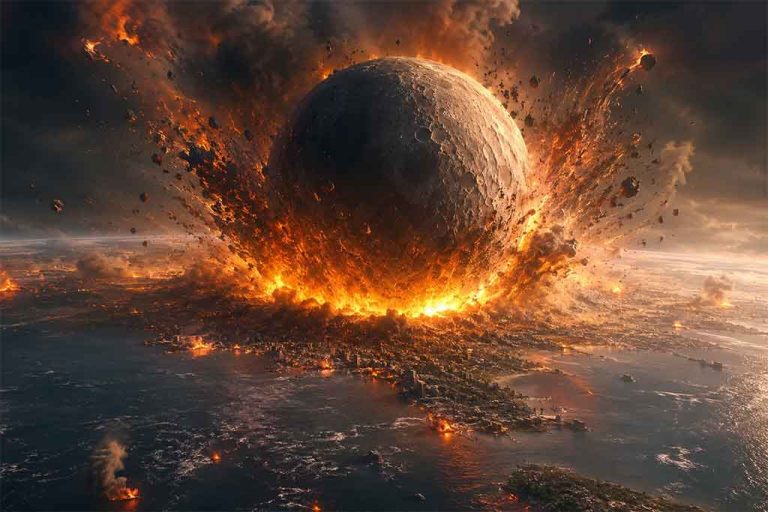
People interested in global disaster scenarios often explore similar possibilities in articles like what would happen if the moon hit Earth, although climate change is a much more realistic long-term threat.
Extreme Weather Becomes Normal
Storms, hurricanes, wildfires, and floods become more destructive in a warmer climate. Warmer oceans provide more energy for storms, while dry conditions increase wildfire risks.
Many scientists believe certain extreme weather events that used to happen once every hundred years may start happening much more frequently.
Infrastructure in many countries is not prepared for this level of environmental stress.
Food and Water Shortages Increase
Climate change directly affects agriculture and freshwater supplies. Crops depend on stable weather patterns, predictable rainfall, and healthy soil.
Long droughts and heatwaves can destroy harvests. At the same time, floods can wipe out farmland in other regions.
Water scarcity may become one of the biggest global problems of the century. Some countries are already experiencing pressure on rivers, reservoirs, and groundwater systems.
Can Climate Change Become Irreversible?
In some cases, yes.
Scientists worry about tipping points. These are moments when environmental systems shift permanently or become extremely difficult to restore.
Examples include:
- Massive ice sheet loss
- Amazon rainforest collapse
- Permanent coral reef destruction
- Melting permafrost releasing methane
Methane is a powerful greenhouse gas that can accelerate warming even further.
Once certain systems collapse, reversing the damage may take centuries.
This is one reason why the climate clock matters. It highlights urgency before these tipping points become unavoidable.
Will Humanity Survive If the Climate Clock Runs Out?
Humanity will likely survive, but life could become significantly harder in many parts of the world.
The biggest risks involve social and economic instability. Climate migration, food insecurity, energy crises, and conflicts over resources could increase.
Poorer nations are expected to suffer the most because they often lack strong infrastructure and disaster preparation systems.
Still, the future depends heavily on what happens next. The climate clock is not a prophecy. It is a warning based on current trends.
What Can Still Be Done?
Even if deadlines become difficult to meet, reducing emissions still matters. Every fraction of a degree makes a difference.
Governments can invest in renewable energy, electric transportation, and cleaner industries. Protecting forests and oceans also plays an important role in slowing climate change.
Individuals can help through smaller actions too, including reducing waste, saving energy, and supporting sustainable businesses.
The world has solved major global problems before. But climate action requires cooperation on a scale never seen before.
Some people compare climate risks to massive hypothetical disasters explored in stories like what would happen if Yellowstone erupted because both involve global consequences that affect ecosystems, economies, and human survival.
Why the Climate Clock Matters
The climate clock matters because it transforms scientific data into something people can understand instantly: time running out.
Without urgency, climate discussions often feel abstract. The countdown makes the issue feel immediate and real.
It also reminds people that future generations will inherit the consequences of decisions made today.
In many ways, climate change is different from sudden disaster scenarios like what would happen if the moon disappeared or what Earth would look like if humans disappeared tomorrow. Climate change happens gradually, which makes it easier for people to ignore until the damage becomes severe.
Final Thoughts
So, what happens when the climate clock runs out?
The world does not suddenly end overnight. But the risks of catastrophic climate damage become much higher. Rising temperatures, stronger disasters, food insecurity, ecosystem collapse, and economic instability could affect billions of people.
The climate clock exists to push action before those outcomes become permanent realities.
The important thing to remember is that climate science is not about hopelessness. It is about probabilities, risks, and choices. The sooner emissions fall, the better the chances of avoiding the worst-case scenarios.