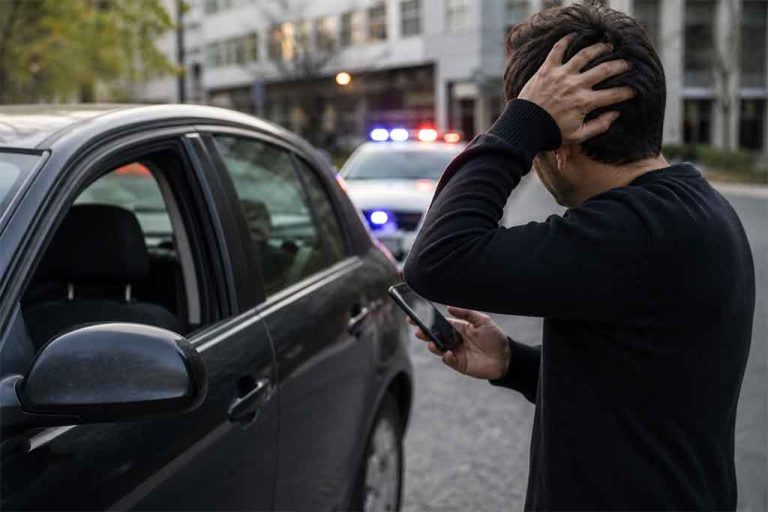


What Happens If Your Car Gets Stolen and You Have Full Coverage? If your car gets stolen and you have full coverage, your insurance company will typically pay you the actual cash value of the vehicle after you file a claim and meet your deductible. This is one of the biggest benefits of carrying comprehensive coverage as part of your auto policy. Instead of being left with nothing but police reports and regret, you can recover financially and move forward with a replacement.
When a vehicle theft happens, the process feels overwhelming at first. But full coverage acts as a safety net designed exactly for situations like this. Comprehensive insurance specifically covers theft, vandalism, and other non-collision events. Paired with collision coverage in a full package, it gives you broad protection that liability-only policies simply don’t offer.
Table of Contents
Right After the Theft: What You Should Do Immediately
Contact the police right away and file an official report. This document becomes the foundation of your insurance claim. Get a copy of the report number because your insurer will ask for it. Next, reach out to your insurance company as soon as possible—most recommend calling within 24 hours. The quicker you report it, the faster the investigation starts.
While you wait for the claim process, gather important documents: your policy number, vehicle registration, title (if you have it), and any photos of the car you might have saved. Many insurers now let you file claims through their mobile apps, which speeds things up.
How Full Coverage Responds to a Stolen Car
Full coverage usually means you have both comprehensive and collision protection. In the case of theft, comprehensive coverage is the part that kicks in. Once the police confirm the car is stolen and not just missing, your insurer will open a theft claim.
They’ll assign an adjuster who investigates the case. This includes checking with law enforcement, reviewing your policy details, and determining the car’s actual cash value (ACV) right before the theft. The ACV takes into account the vehicle’s age, mileage, condition, and local market value—not what you originally paid or what a brand-new replacement costs.
After subtracting your comprehensive deductible, the company issues a settlement check. For example, if your car was worth $18,000 and you have a $500 deductible, you could expect around $17,500, assuming everything checks out. Many policies also offer temporary transportation coverage, which can help pay for a rental car while you wait for the claim to settle.
What If the Car Is Later Recovered?
Sometimes stolen vehicles turn up days or weeks later. If the car is recovered before your claim is fully settled, the insurance company may repair it and return it to you instead of paying a total loss. If it’s recovered after settlement, you usually have the option to keep the payout and let the insurer take ownership of the recovered vehicle, or you can return the money and get your car back (minus any repair costs for damage that occurred while it was stolen).
This “total loss” versus “recoverable” decision often depends on the extent of damage. Insurance adjusters use repair estimates compared to the vehicle’s value to make the call.
Dealing With a Loan or Lease on the Stolen Vehicle
Many people still owe money when their car disappears. If this sounds like your situation, the insurance payout goes toward satisfying the lienholder first. You only receive any remaining amount after the loan is paid off. This can sometimes leave you upside down—owing more than the car was worth.
For drivers in this position, it’s worth reading more about what happens if your car is stolen and you still owe money. Gap insurance can be a lifesaver here because it covers the difference between the insurance payout and the remaining loan balance.
Filing the Claim: Tips for a Smooth Process
Be honest and thorough when answering questions. Insurance companies investigate theft claims carefully because fraud is unfortunately common. Provide all requested documents quickly. Keep records of every conversation, including names of representatives you speak with.
Most legitimate claims are paid within a few weeks once the police investigation confirms the theft. However, if the car was left unlocked or keys were inside, the company might question negligence and potentially reduce or deny the claim. Always check your policy’s fine print regarding “careless entrustment” or similar clauses.
Understanding Your Deductible and Payout Limits
Your deductible is the amount you pay out of pocket before insurance helps. Choosing a higher deductible usually lowers your monthly premium but means less money in your pocket right after a theft. Think carefully about what you can realistically afford if the worst happens.
Also remember that full coverage has limits. It pays actual cash value, not replacement cost, unless you bought a special rider. Older cars might bring lower settlements than many owners expect. That’s why it’s smart to review your coverage limits every year as your vehicle ages.
Longer-Term Effects on Your Insurance
After a theft claim, your premiums will almost certainly go up at renewal. Insurance companies view theft as a higher risk, even if it wasn’t your fault. Shopping around for new quotes after the claim settles can sometimes save money. You might also consider increasing your deductible or dropping comprehensive coverage once you replace the car with an older model that isn’t worth much.
On the positive side, having full coverage and successfully using it shows insurers you’re properly protected. This can sometimes help in other claim situations down the road.
Replacing Your Car After the Theft
Use the insurance money wisely. Many people rush into buying the first similar car they see and later regret it. Take time to research current market prices, test drive options, and consider whether you need the same size or features as before. A theft can actually be an opportunity to downsize or switch to something more fuel-efficient if your lifestyle has changed.
While waiting for the payout, many drivers rely on rideshares, public transportation, or borrowing a friend’s car. Some policies reimburse a certain amount per day for rental cars—usually up to 30 days—so keep receipts.
Preventing Future Thefts
Even with excellent insurance, prevention is better than dealing with the aftermath. Park in well-lit areas, use steering wheel locks, and never leave valuables visible. Modern cars often have tracking systems like OnStar or built-in GPS—make sure yours is activated and subscribed. Many insurance companies offer discounts if you install anti-theft devices.
Simple habits matter too: always take your keys, lock doors, and avoid leaving the engine running unattended even for “just a minute.”
When Full Coverage Might Not Be Enough
Full coverage protects you financially in most theft scenarios, but it’s not perfect. If your car was used in a crime after being stolen, some policies have exclusions. High-value custom modifications might need separate scheduling on your policy to be fully covered. Always document expensive upgrades like audio systems, wheels, or performance parts.
For those without any insurance at all, the situation is far more painful. You can learn more about those tough realities in this piece on what would happen if your car were stolen and you didn’t have auto insurance.
Final Thoughts
Having full coverage when your car gets stolen makes an incredibly stressful situation manageable. You’ll still deal with paperwork, phone calls, and the hassle of replacing transportation, but you won’t face total financial ruin. The key is understanding your policy before anything happens—know your deductible, coverage limits, and any additional protections like gap insurance or rental reimbursement.
Stay calm, follow the steps, and work closely with your claims adjuster. Most people who go through a theft with proper full coverage come out the other side with a fair settlement and a new vehicle. It’s one of those times when paying for good insurance truly proves its worth.
Take a few minutes today to review your auto policy. Make sure comprehensive coverage is active and that your limits still match your car’s current value. A little preparation now can save enormous headaches later if the unexpected ever occurs.