
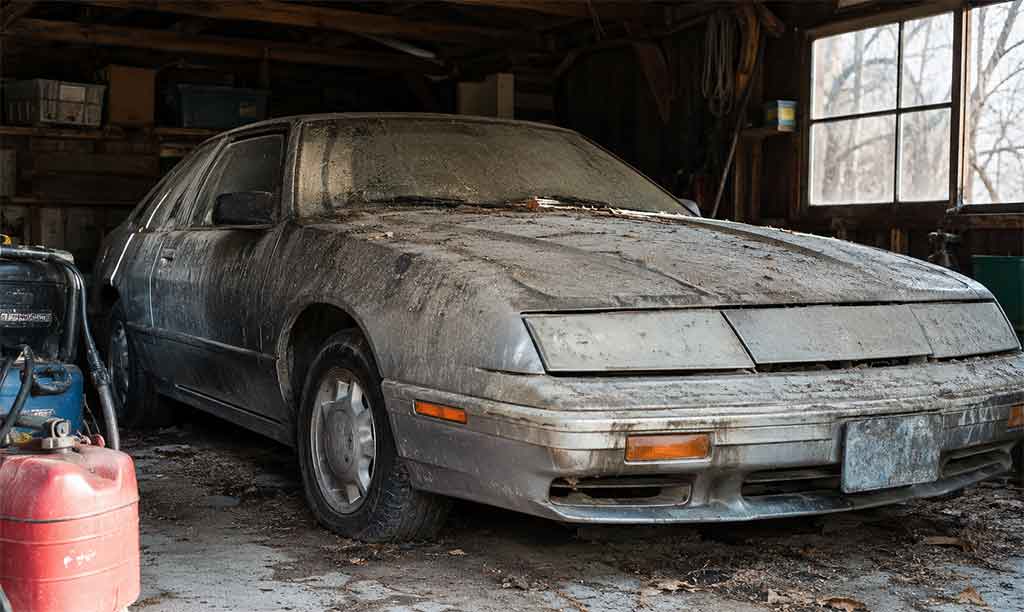

If a Car Sits for Too Long What Happens? If a car sits for too long, several mechanical problems can start developing even if the vehicle was working perfectly before being parked. The battery may die, tires can develop flat spots, fuel may go bad, fluids can break down, and moisture can lead to rust or mold. In some cases, leaving a vehicle unused for months can create repair costs that are surprisingly expensive.
Most modern vehicles are designed to be driven regularly. When a car remains parked for weeks or months, important components stop circulating fluids and lubricants. That lack of movement slowly damages parts that normally stay healthy through regular use.
The longer the vehicle sits, the higher the chance of serious problems. In some situations, a car that sits unused for a year may not even start without repairs or replacement parts.
Table of Contents
How Long Can a Car Sit Without Problems?
Most cars can safely sit for around two weeks without major issues. After about one month, problems usually begin appearing depending on weather conditions, battery health, and maintenance history.
Here’s a general breakdown:
- 1 to 2 weeks: Usually no major issues
- 1 month: Battery may weaken and tires may lose pressure
- 3 months: Fuel degradation and brake rust can appear
- 6 months or longer: Serious mechanical issues become more likely
Climate also matters. Humid environments accelerate rust, while extremely hot temperatures can damage fluids, rubber seals, and tires faster.
Battery Problems Are Usually the First Issue
One of the most common answers to the question “if a car sits for too long what happens” is battery failure.
Even when the engine is off, many modern cars still use small amounts of electricity for onboard computers, clocks, security systems, and sensors. Over time, this drains the battery.
If a vehicle sits unused for several weeks, the battery may become too weak to start the engine. If it stays discharged for too long, the battery can permanently lose capacity.
Signs of a dead or damaged battery include:
- Clicking sounds when turning the key
- Dim dashboard lights
- Slow engine cranking
- No electrical response at all
Using a battery maintainer or driving the car occasionally can help prevent this issue.
Fuel Starts Breaking Down
Gasoline does not stay fresh forever. After sitting for a few months, fuel can begin degrading and losing combustibility.
Old gasoline may create:
- Hard starting
- Engine hesitation
- Fuel injector clogs
- Poor engine performance
Ethanol-blended fuel absorbs moisture from the air more easily, which can increase corrosion inside the fuel system.
In severe cases, stale fuel can gum up internal engine components. That is why some stored vehicles need fuel system cleaning before becoming drivable again.
Tires Can Develop Flat Spots
When a car remains parked in one position for too long, the weight of the vehicle presses continuously against the same sections of the tires.
This can cause flat spots, especially during cold weather. Drivers may notice vibrations or thumping noises when driving again.
Low tire pressure also becomes common during long-term storage. Tires naturally lose air over time, even without punctures.
Driving on severely damaged tires can become dangerous. In some cases, replacement is necessary.
Brake Components May Rust
Brake rotors are exposed metal surfaces, so rust can form quickly when moisture accumulates.
Light rust is normal and often disappears after driving for a short time. However, if a car sits for months, the rust can become severe enough to damage rotors and brake pads.
Some vehicles may even experience seized brake calipers or sticking parking brakes.
This becomes especially common in rainy or coastal environments.
Engine Oil and Fluids Can Deteriorate
Fluids play a critical role in protecting a vehicle. Over time, sitting unused can cause moisture contamination and chemical breakdown.
Important fluids affected include:
- Engine oil
- Brake fluid
- Transmission fluid
- Coolant
- Power steering fluid
Dirty or degraded oil may lose its ability to lubricate properly. If neglected long enough, this can increase engine wear.
Ignoring oil maintenance can create even bigger problems over time. You can learn more in this helpful article about what happens if you don’t change your oil.
Rubber Seals and Hoses Can Dry Out
Cars contain many rubber components, including seals, belts, and hoses. These parts stay flexible partly because fluids circulate through the system regularly.
When a vehicle sits unused for long periods, rubber can dry out and crack.
This may eventually lead to:
- Fluid leaks
- Vacuum leaks
- Cooling system problems
- Belt failure
Older vehicles are usually more vulnerable to this type of deterioration.
Rodents and Pests May Move In
A parked car can become a shelter for mice, rats, insects, and other pests.
Rodents often chew wiring, insulation, and air filters. Some even build nests inside engine bays or HVAC systems.
This type of damage can become surprisingly expensive because modern vehicles rely heavily on electrical systems.
Drivers sometimes discover pest problems only after warning lights appear or strange smells come from the vents.
Mold and Interior Damage Can Appear
If moisture gets trapped inside the vehicle, mold and mildew may develop.
This commonly happens when:
- Windows are left slightly open
- Sunroof drains clog
- Door seals leak
- The vehicle is stored in humid conditions
Bad odors, stained upholstery, and interior deterioration can follow.
Leather seats may also dry out or crack if exposed to heat for extended periods.
Can a Car Sitting Too Long Become Unsafe?
Yes. A vehicle that has been sitting unused for a long time can become unsafe to drive without inspection.
Problems such as cracked tires, seized brakes, fuel contamination, and fluid leaks may create serious driving hazards.
Before driving a stored vehicle again, it is smart to check:
- Battery condition
- Tire pressure
- Fluid levels
- Brake performance
- Fuel quality
- Signs of leaks or rodent damage
How to Prevent Problems When Storing a Car
Preventive maintenance can significantly reduce damage during storage.
Drive the Car Occasionally
Driving the vehicle every couple of weeks helps recharge the battery and circulate fluids.
Use a Battery Tender
A battery maintainer keeps the battery charged without overcharging it.
Keep the Fuel Tank Full
A full tank reduces moisture buildup inside the fuel system.
Add Fuel Stabilizer
Fuel stabilizers help gasoline last longer during storage.
Inflate Tires Properly
Keeping tires at recommended pressure helps reduce flat spotting.
Store the Vehicle Indoors
A garage protects the car from weather, moisture, and UV damage.
Clean the Interior
Removing food crumbs and trash reduces the chance of attracting rodents.
What Happens if a Car Sits for Years?
If a car sits unused for years, restoration may require significant repairs.
Common long-term storage problems include:
- Completely dead battery
- Severe rust
- Fuel system contamination
- Engine seizure
- Dry-rotted tires
- Brake failure
Classic cars stored improperly often need extensive work before becoming roadworthy again.
In some situations, owners may also face insurance or theft-related complications after long periods without driving. If you’re curious about vehicle-related risks, these articles explain what happens if your car is stolen and never found and what happens if your car gets stolen and you have full coverage.
Does Insurance Cover Damage From Sitting?
Usually, normal wear and tear from sitting too long is not covered by standard auto insurance policies.
Insurance companies generally consider these maintenance-related issues the owner’s responsibility.
However, coverage may apply if separate incidents occur during storage, such as theft, vandalism, flooding, or storm damage.
Understanding insurance details matters, especially for long-term vehicle storage. Some drivers also wonder what happens if your car is stolen and you still owe money or what would happen if your car were stolen and you didn’t have auto insurance.
Final Thoughts
If a car sits for too long, problems can appear faster than many people expect. Batteries die, fuel degrades, tires flatten, fluids deteriorate, and rust begins forming almost immediately in certain environments.
The good news is that most storage-related damage is preventable with basic maintenance and occasional driving.
Whether you plan to store a car for a few weeks or several months, taking simple precautions can save money and help your vehicle stay reliable when you need it again.