
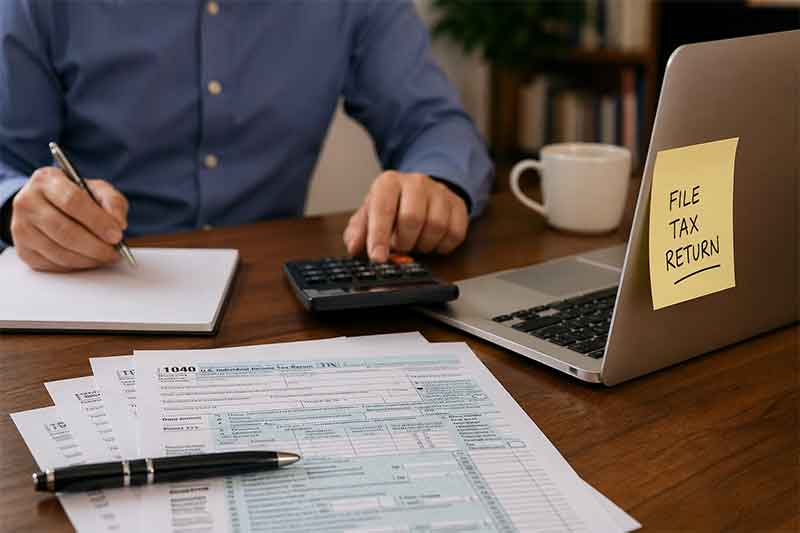

If you’re wondering what happens if you don’t file your taxes but don’t owe anything, the short answer is this: you likely won’t face penalties, but you could still miss out on money and create problems later. The IRS generally doesn’t charge a failure-to-file penalty if you truly owe $0. However, skipping your tax return isn’t completely risk-free.
Table of Contents
Why Filing Still Matters Even If You Owe Nothing
The most important thing to know is this: even if you don’t owe taxes, filing can actually benefit you. Many people assume there’s no reason to file, but that’s not always true. You could be eligible for refunds, credits, or future financial advantages.
For example, refundable tax credits like the Earned Income Tax Credit (EITC) or Child Tax Credit can still pay you money—even if you had little or no tax liability. If you don’t file, you won’t receive those funds. That’s basically leaving free money on the table.
It’s similar to ignoring something small that turns out to matter later, like what happens if you eat moldy bread once. It may not seem like a big deal at first, but there can be consequences you didn’t expect.
Are There Any Penalties?
Technically, if you truly owe nothing, the IRS won’t hit you with a failure-to-file penalty. That penalty is based on unpaid taxes. No balance due means no penalty in most cases.
But there’s a catch. If the IRS later determines that you actually did owe something—even a small amount—you could face penalties and interest. That’s why it’s risky to assume you owe zero without checking carefully.
This situation can sneak up on you, much like what happens if you stay up all night for 3 days. You might think you’re fine at first, but the longer it goes unchecked, the worse it can get.
What About Refund Deadlines?
Here’s something many people miss: you only have three years to claim a tax refund. If you don’t file within that window, your refund disappears permanently.
So even if you’re asking what happens if you don’t file your taxes but don’t owe anything, the bigger question might be what you’re losing. If you’re due a refund, not filing means you’ll never see that money.
Impact on Future Financial Plans
Not filing taxes can also affect things like loans, mortgages, and financial aid. Many lenders and institutions require tax returns as proof of income. Without them, your application could be delayed or denied.
Think of it like skipping a basic routine that seems harmless, such as what happens if you use your phone before bed every night. Over time, small habits can have bigger effects than expected.
When You Might Actually Need to File
Even if you believe you owe nothing, certain situations still require filing. These include:
– You had self-employment income
– You received advance tax credits
– You want to claim a refund or credits
In these cases, skipping your return could create issues later, especially if records don’t match up.
The Bottom Line
So, what happens if you don’t file your taxes but don’t owe anything? You probably won’t get penalized right away, but you could miss refunds, lose access to credits, and complicate your financial future.
Filing your taxes—even when you owe nothing—is usually the smarter move. It keeps your records clean, protects potential refunds, and avoids surprises down the road.
Ignoring it might feel harmless, but small decisions can stack up, just like what happens if you sit for 10 hours a day. It’s better to handle it now than deal with consequences later.