
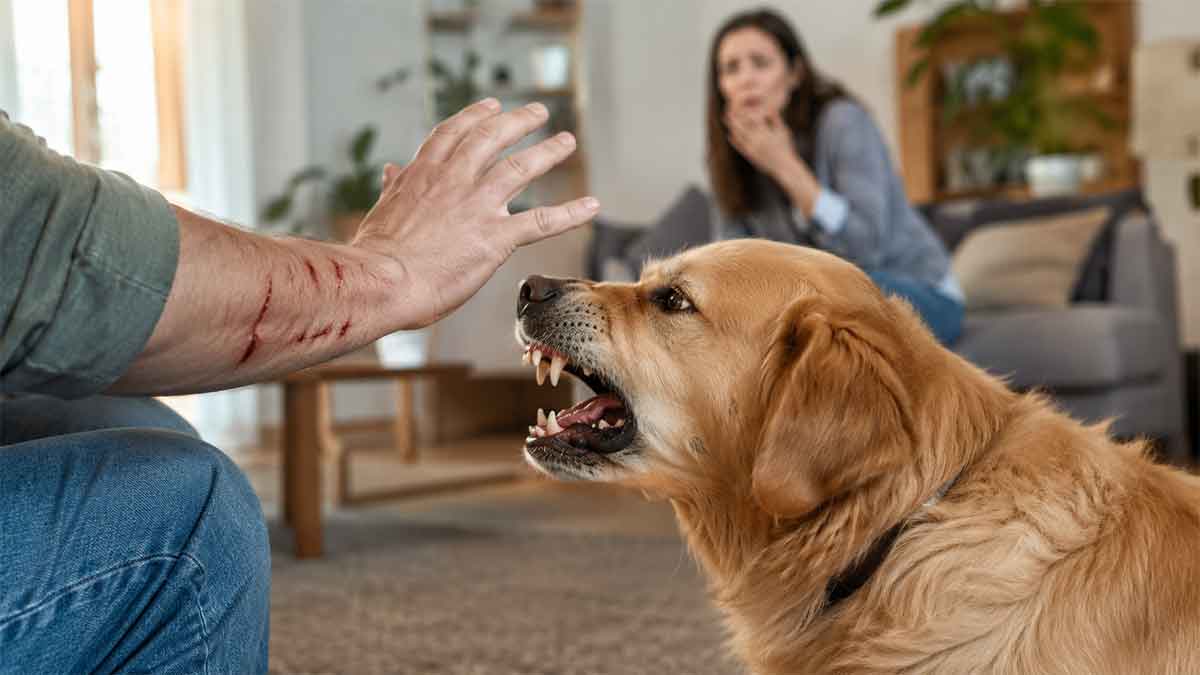
A dog bite inside your home can quickly turn into a legal, financial, and emotional problem. What happens if a dog bites someone in your house depends on several factors, including why the person was there, your state’s dog bite laws, the severity of the injury, and whether your homeowner’s insurance covers the incident. While every case is different, taking the right steps immediately can protect both the injured person and your legal interests.
Here’s what typically happens after a dog bite at your home and what you should do next.
What Happens If a Dog Bites Someone in Your House?
When a dog bites a guest or visitor in your home, several things may happen:
- The injured person may need medical treatment.
- The bite could be reported to local animal control or the health department.
- You may be responsible for medical bills or other damages, depending on state law.
- Your homeowner’s or renter’s insurance may cover the claim.
- Authorities may require your dog to undergo a quarantine or observation period.
Not every bite leads to a lawsuit. Many cases are resolved through insurance claims, especially when the injuries are minor. However, serious injuries can result in legal action.
Your Responsibility Depends on State Law
Dog bite laws vary across the United States.
Some states follow strict liability rules. Under these laws, a dog owner can be responsible even if the dog has never shown aggression before.
Other states use the one-bite rule, which generally considers whether the owner knew or should have known the dog had dangerous tendencies. Even in these states, owners can still be liable if they acted negligently.
Local ordinances may also affect your responsibilities. That’s why the outcome often depends on where the bite occurred.
Was the Person Invited Into Your Home?
Whether the injured person was legally allowed on your property can significantly affect liability.
For example, you may have greater responsibility if the injured person was:
- A family member
- A friend visiting your home
- A neighbor
- A delivery driver
- A contractor or repair technician
- A postal worker
These individuals generally have permission to be on the property.
The situation may be different if the person was trespassing. In many states, dog owners have fewer legal obligations toward trespassers, although there are exceptions, especially if the injured person is a child.
What Should You Do Immediately After a Dog Bite?
Your actions immediately after the incident matter.
First, secure your dog to prevent another bite. Place the dog in a separate room, crate, or fenced area where it cannot reach anyone.
Next, check on the injured person. Encourage them to wash the wound with soap and water and seek medical attention, even if the bite seems minor. Dog bites can become infected.
Exchange contact information and provide proof of your dog’s current rabies vaccination if requested.
Avoid arguing or admitting fault at the scene. Simply cooperate and document what happened.
Take photos of:
- The location
- Any damaged property
- The area where the bite occurred
- Visible injuries, if appropriate
Write down the details while they’re fresh in your memory, including what happened before the bite and whether anyone witnessed it.
Will Animal Control Get Involved?
In many areas, yes.
Healthcare providers often report dog bites to local authorities, especially when medical treatment is required. The injured person may also file a report.
Animal control may investigate by asking questions such as:
- Is the dog’s rabies vaccination current?
- Has the dog bitten anyone before?
- How did the incident happen?
- Does the dog pose an ongoing safety risk?
Many jurisdictions require the dog to complete a quarantine or observation period to monitor for signs of rabies. This doesn’t automatically mean your dog is considered dangerous.
Could Your Homeowner’s Insurance Cover the Bite?
Many homeowner’s insurance policies include personal liability coverage for dog bites.
Coverage may help pay for:
- Medical expenses
- Legal defense costs
- Settlements
- Court judgments, if applicable
However, every policy is different.
Some insurers exclude certain dog breeds. Others may deny coverage if the dog has a known history of aggression or if the policy specifically excludes dog bite claims.
If a bite occurs, notify your insurance company promptly. Delaying the report could complicate the claims process.
What Happens if the Injured Person Sues?
Not every bite results in a lawsuit, but it’s possible if injuries are serious or medical expenses are substantial.
The injured person may seek compensation for:
- Medical treatment
- Lost wages
- Pain and suffering
- Permanent scarring
- Future medical care, when supported by evidence
If you’re sued, contact your insurance company immediately. Many liability policies provide legal representation for covered claims.
Do not ignore legal documents or court deadlines.
Can Your Dog Be Declared Dangerous?
That depends on local laws and the circumstances.
A single bite does not automatically mean a dog will be labeled dangerous.
Authorities often consider factors such as:
- The severity of the injury
- Whether the bite was provoked
- The dog’s previous behavior
- Whether the owner exercised reasonable control
If a dog is officially designated as dangerous, owners may have to follow additional requirements, such as secure fencing, special registration, warning signs, or the use of a leash and muzzle in public.
What if the Bite Happened During a Party?
A house party can make things more complicated because there may be multiple guests and witnesses.
Dogs sometimes become overwhelmed by loud noises, unfamiliar people, or children running around.
If you’re hosting guests, consider whether your dog is comfortable around crowds. If not, placing your dog in a quiet room during the gathering may prevent accidents.
Prevention is always easier than dealing with a bite afterward.
What Happens if a Child Is Bitten?
Dog bites involving children are often treated more seriously.
Children may unintentionally startle or frighten a dog because they don’t recognize warning signs like growling, stiff body language, or backing away.
Parents should never leave young children unsupervised with any dog, regardless of how friendly the dog has been in the past.
If a child is bitten, seek medical care immediately. Authorities may investigate the incident just as they would with an adult bite.
Does It Matter if the Dog Was Provoked?
Yes.
Many states consider whether the dog was provoked before the bite occurred.
Examples of possible provocation include:
- Hitting or kicking the dog
- Pulling its ears or tail
- Disturbing the dog while eating
- Cornering the dog
- Interfering with puppies
Whether these actions legally count as provocation depends on the specific facts and applicable state law.
How to Reduce the Risk of Future Dog Bites
Preventing another incident protects everyone involved.
Simple precautions include:
- Socialize your dog from an early age.
- Train basic obedience commands.
- Keep vaccinations current.
- Supervise interactions with children.
- Watch for signs of stress or fear.
- Use baby gates, crates, or separate rooms when visitors arrive.
- Avoid forcing fearful dogs into uncomfortable situations.
Understanding your dog’s body language is one of the best ways to prevent bites before they happen.
Frequently Asked Questions
Am I automatically responsible if my dog bites someone in my house?
Not always. Responsibility depends on your state’s laws, the circumstances of the bite, whether the visitor had permission to be there, and whether negligence played a role.
Can a guest sue me after a dog bite?
Yes. A guest may pursue compensation if they believe you’re legally responsible for the injury.
Will my dog be taken away after one bite?
Usually not. Many dogs remain with their owners after completing any required quarantine or observation period. More serious consequences generally depend on local laws and the specific circumstances.
Should I report the bite to my insurance company?
Yes. Reporting the incident promptly gives your insurer the opportunity to review the claim and explain your available coverage.
Can I prevent future liability?
While no owner can eliminate every risk, responsible ownership, proper supervision, training, and following local animal laws can significantly reduce the chance of another incident.
Related: What Happens If a Dog Eats Grass Fertilizer?
Final Thoughts on What Happens If a Dog Bites Someone in Your House
Knowing what happens if a dog bites someone in your house can help you respond calmly and responsibly. The immediate priorities are caring for the injured person, securing your dog, documenting the incident, and understanding your legal obligations. Because dog bite laws differ by state, the final outcome depends on where the incident occurred and the specific facts involved. Taking preventive steps now can reduce the risk of future bites and help keep both your visitors and your dog safe.