If you have asbestos ceiling tiles, the short answer is: don’t touch them, don’t panic, and get them tested before you decide anything. Undamaged asbestos tiles left alone are generally low-risk, but sanding, drilling, or breaking them can release fibers into the air. Your next move depends on the tiles’ condition and whether you’re planning a renovation.
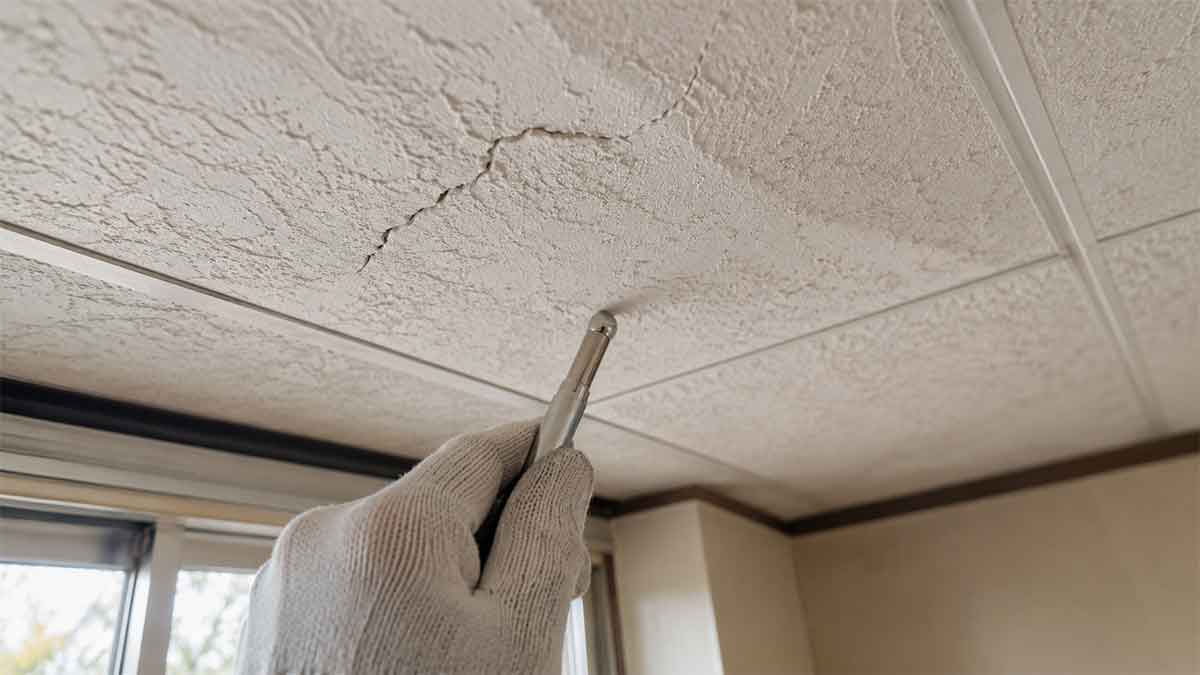
Asbestos ceiling tiles were widely used in homes, schools, and offices built between the 1950s and the early 1980s, mainly for fireproofing and soundproofing. You’ll find them most often as acoustic drop-ceiling panels or as the textured “popcorn” coating sprayed directly onto drywall.
How to Tell If Your Ceiling Tiles Actually Contain Asbestos
You can’t identify asbestos by looking at it, no matter how confident you feel about the tile’s age or texture. The only reliable way to know is lab testing, either through a home test kit sent to an accredited lab or a professional inspector who takes the sample for you.
That said, a few clues raise your odds of finding asbestos:
- The building was constructed or renovated before 1980
- The tiles have a fibrous, mottled, or speckled texture
- You have original paperwork mentioning “acoustical tile” or fireproofing material
- Similar buildings from the same era in your area were confirmed to contain it
None of these confirm anything on their own. They just tell you testing is worth the money.
When It’s Safe to Leave Asbestos Ceiling Tiles Alone
If a lab confirms asbestos and the tiles are intact, whole, and not flaking, the material is considered non-friable, meaning it doesn’t crumble easily and isn’t releasing fibers on its own. In that case, many building inspectors recommend leaving it exactly where it is.
This is sometimes called an “operations and maintenance” approach. You monitor the tiles periodically for damage, avoid drilling into them, and skip any renovation plans that would disturb the ceiling. It’s often the cheapest and safest option when the material is stable.
Painting over intact tiles with a bonding sealant can also add a layer of protection, though this should be done carefully and ideally by someone familiar with asbestos-safe painting techniques, since even light sanding to prep the surface can release fibers.
When You Need Encapsulation or Removal
Damage changes the calculation. If tiles are cracked, water-stained, sagging, crumbling, or you can see visible fiber shedding, disturbed material is far more likely to release asbestos fibers into the air you breathe. At that point, doing nothing isn’t really an option.
You generally have two paths:
Encapsulation seals the asbestos in place using a specialized coating, trapping fibers so they can’t become airborne. It’s less invasive and usually cheaper than removal, but it’s a long-term commitment. The tiles stay in the building, so future renovations will need to account for them.
Abatement (removal) takes the material out entirely. This is the right call if you’re renovating, replacing the ceiling, or the damage is too extensive to seal safely. It’s more expensive up front but removes the ongoing liability.
Which option makes sense depends on your renovation timeline, budget, and how extensive the damage is. A licensed asbestos professional can walk you through the trade-offs for your specific situation rather than a one-size-fits-all answer.
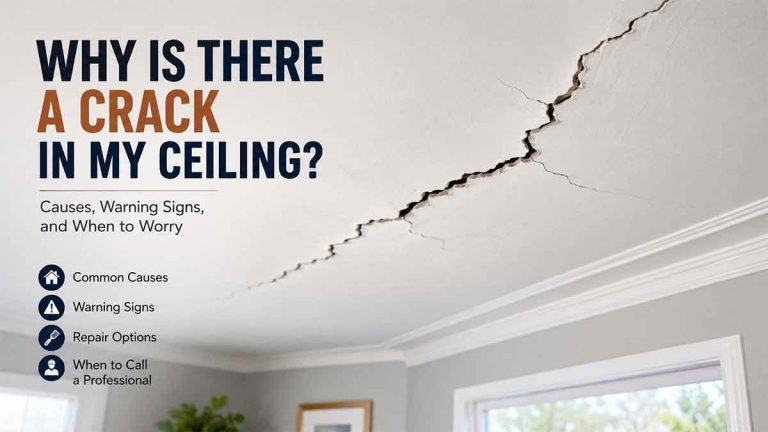
Related: Why Is There a Crack in My Ceiling? Causes, Warning Signs, and When to Worry
Hiring a Professional for Testing and Abatement
Once asbestos is confirmed and you’ve decided on encapsulation or removal, hire a licensed asbestos abatement contractor rather than a general contractor or handyman. Asbestos work is regulated in most states, and licensed contractors carry the equipment for containment, negative air pressure, and proper disposal at approved hazardous waste facilities.
When getting quotes, ask about:
- Their license number and how to verify it with your state’s environmental agency
- Whether they’ll provide air clearance testing after the work is done
- How they plan to contain dust during removal
- Where the waste will be disposed of and how that’s documented
Costs vary widely depending on your region, the size of the area, and whether it’s encapsulation or full removal, so get more than one quote before committing.
What Not to Do
A few mistakes come up often enough that they’re worth calling out directly:
- Don’t sand, drill, saw, or break tiles yourself, even “just to check”
- Don’t vacuum debris with a regular household vacuum, which spreads fine fibers instead of collecting them
- Don’t assume a tile is safe just because it looks fine from the floor
- Don’t skip testing because you’re planning to sell the property; many buyers now request it during inspection
Asbestos exposure risk builds up over repeated or high-intensity contact, and health effects like asbestosis or mesothelioma typically take decades to show up. That delay is exactly why the smart move is caution now, not reassurance based on how you feel today.
Related: What to Do if the Ceiling Is Leaking
The Bottom Line
If you suspect or have confirmed asbestos ceiling tiles, the right sequence is test, assess condition, then decide between leaving it alone, encapsulating, or removing it with a licensed professional. Intact tiles in good shape often don’t need to go anywhere. Damaged or deteriorating ones do. Either way, skipping the guesswork and getting a proper inspection is the one step that protects you no matter which direction you end up taking.