Thinking about installing laminate flooring on tiles but don’t want the hassle of tearing out your old tile floor? You’re not alone. Many homeowners want a quick, affordable flooring upgrade without creating a dusty demolition project.
The good news is that, in most cases, you can install laminate flooring directly over existing tiles. However, skipping a few important preparation steps can lead to squeaky floors, uneven surfaces, or damaged locking joints later on. This guide explains everything you need to know, including installation methods, costs, common mistakes, and whether it’s actually the best option for your home.
Can I Put Laminate Flooring Over Tile?
Yes, you can put laminate flooring over tile as long as the existing tile floor is:
- Structurally sound
- Level and flat
- Clean and dry
- Free from loose or cracked tiles
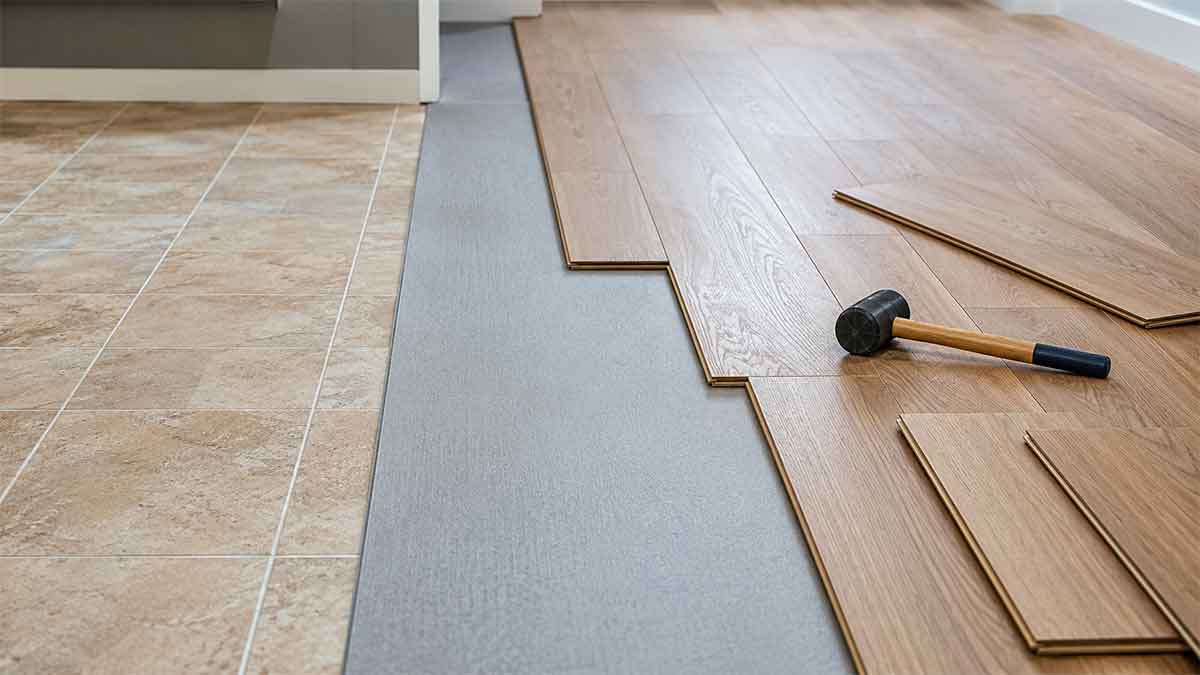
Laminate flooring is designed as a floating floor. Instead of being glued or nailed down, the planks lock together and rest on top of an underlayment.
If your tile floor meets the basic requirements, installing laminate over tile can save time, money, and a lot of cleanup.
Why Homeowners Choose Laminate Flooring on Tiles
There are several reasons people choose this installation method.
Advantages include:
- No expensive tile demolition
- Faster installation
- Less construction waste
- Lower labor costs
- Minimal disruption to daily life
- Modern appearance without major renovation
Many DIY homeowners complete the project in a weekend.
What is the Best Flooring to Put Over Tile?
Not every flooring material performs equally well over tile.
| Flooring Type | Can Go Over Tile? | Best For |
|---|---|---|
| Laminate Flooring | Yes | Living rooms, bedrooms, hallways |
| Luxury Vinyl Plank (LVP) | Yes | Kitchens, bathrooms, basements |
| Engineered Hardwood | Sometimes | Dry areas |
| Carpet | Yes | Bedrooms |
| Ceramic Tile | Yes (with preparation) | Bathrooms and kitchens |
If moisture is a concern, vinyl flooring over tiles is often a better choice than laminate.
For dry rooms, laminate remains one of the best combinations of affordability, durability, and appearance.
Should I Remove Tile Before Installing Laminate Flooring?
Usually, no.
Removing tile is recommended only if:
- Multiple tiles are loose
- The floor has significant height differences
- Water damage exists underneath
- The tile surface is severely uneven
Otherwise, leaving the tile in place is perfectly acceptable.
Skipping demolition can reduce renovation costs by hundreds or even thousands of dollars.
If you’re planning a full flooring renovation, you may also want to read Cost of Tile Flooring and Installation to compare expenses before making your decision.
How to Prepare Tile Before Installing Laminate
Preparation determines whether your floor lasts five years or twenty.
1. Inspect the Tile
Walk across the floor.
Listen for hollow sounds.
Replace any loose or broken tiles.
2. Check Floor Flatness
Use a long straightedge.
Most laminate manufacturers recommend no more than:
- 3/16 inch variation within 10 feet
- 1/8 inch variation within 6 feet
Large grout lines may need leveling compound.
3. Clean Thoroughly
Remove:
- Dust
- Grease
- Wax
- Dirt
- Construction debris
A clean surface allows the underlayment to sit evenly.
4. Install Underlayment
Most laminate requires foam underlayment.
Some products include attached padding.
Always follow the manufacturer’s instructions.
Can Laminate Stick on Tiles?
This is a common misunderstanding.
Traditional laminate flooring does not stick to tiles.
Instead, it:
- Clicks together
- Floats above the existing floor
- Expands and contracts naturally
Only certain adhesive flooring products attach directly to tile.
Laminate Over Tile Problems
Although installation is relatively simple, problems can occur.
Uneven Tile Surface
Large grout joints may telegraph through the flooring.
Moisture
Laminate is vulnerable to standing water.
This makes bathrooms a less suitable location.
Increased Floor Height
Installing over tile raises the finished floor.
That may require adjusting:
- Door clearances
- Baseboards
- Thresholds
- Appliances
Hollow Sounds
Air gaps beneath the laminate can create a hollow walking sound.
Proper underlayment minimizes this issue.
Expansion Issues
Always leave the required expansion gap around walls.
Without it, the floor may buckle.
Pros and Cons of Laying Laminate Over Tile
Pros
- Faster installation
- Lower renovation costs
- Cleaner project
- DIY-friendly
- Attractive wood appearance
- Comfortable underfoot
Cons
- Floor becomes slightly higher
- Existing tile problems remain underneath
- Moisture can damage laminate
- May require door trimming
- Not ideal for every room
Can You Put Laminate Flooring Over Tiles With Underfloor Heating?
Yes, but only under certain conditions.
Many modern laminate products are compatible with radiant floor heating.
Requirements usually include:
- Heating system embedded in concrete
- Maximum floor temperature recommended by manufacturer
- Appropriate underlayment
- Slow temperature adjustments
Always verify compatibility before installation.
Can You Put Laminate Over Tile in Kitchen?
Yes.
Many homeowners successfully install laminate in kitchens.
However, kitchens experience:
- Water spills
- Humidity
- Heavy foot traffic
Choose water-resistant laminate whenever possible.
Immediately wipe up standing water to prevent swelling.
Vinyl Flooring Over Tiles vs Laminate
Here’s a quick comparison.
| Feature | Laminate | Vinyl |
|---|---|---|
| Appearance | Excellent wood realism | Excellent |
| Water Resistance | Moderate | Excellent |
| Cost | Moderate | Moderate |
| DIY Installation | Easy | Easy |
| Scratch Resistance | Very Good | Very Good |
| Comfort | Comfortable | Slightly softer |
For kitchens and bathrooms, vinyl usually wins.
For living areas and bedrooms, laminate offers a warmer feel.
How Thick Is Laminate Flooring?
Most laminate flooring ranges between:
| Thickness | Best Use |
|---|---|
| 6 mm | Budget projects |
| 8 mm | Standard residential |
| 10 mm | Better sound reduction |
| 12 mm | Premium installations |
Thicker laminate generally feels more solid underfoot and reduces noise.
Laminate Over Tile Before and After
The transformation can be dramatic.
Before installation, many tile floors appear:
- Cold
- Outdated
- Worn
- Difficult to match with modern furniture
After installing laminate, homeowners often enjoy:
- Warmer appearance
- More contemporary design
- Better resale appeal
- Improved comfort
The best part is achieving this without removing the original tile.
Cost to Install Laminate Flooring Over Tile
Costs vary depending on material quality and labor rates.
Typical U.S. prices:
| Expense | Average Cost |
|---|---|
| Laminate Materials | $1.50–$5 per sq. ft. |
| Underlayment | $0.30–$1 per sq. ft. |
| Professional Installation | $2–$6 per sq. ft. |
| Total Installed Cost | $4–$11 per sq. ft. |
DIY installation significantly reduces labor costs.
Large or complex rooms may increase pricing.
Installation Tips for Long-Lasting Results
For the best outcome:
- Let laminate acclimate for 48 hours.
- Repair damaged tiles first.
- Use quality underlayment.
- Leave expansion gaps around walls.
- Stagger plank joints.
- Avoid excessive moisture.
- Follow manufacturer instructions exactly.
Small details make a big difference in durability.
If your renovation also includes repairing damaged walls after replacing trim or flooring, these guides may help:
- How to Fix Drywall Tape Bubbles
- How to Fix a Bad Mud Job on Painted Drywall
- How to Fix Crack in Drywall from Settling Without Making It Worse
Frequently Asked Questions
Can I install laminate directly over ceramic tile?
Yes. As long as the ceramic tile is flat, secure, and in good condition, laminate can usually be installed directly over it.
Do I need underlayment over tile?
In most cases, yes. Underlayment improves comfort, reduces noise, and helps compensate for small surface imperfections.
Is laminate better than vinyl over tile?
It depends on the room. Laminate is excellent for dry spaces, while vinyl performs better in moisture-prone areas.
Will laminate flooring increase home value?
A well-installed laminate floor can improve your home’s appearance and make it more appealing to buyers, although premium hardwood generally adds more value.
How long does laminate flooring last over tile?
Quality laminate flooring typically lasts 15 to 25 years, depending on traffic, maintenance, and product quality.
Conclusion
Installing laminate flooring on tiles is one of the easiest ways to modernize your home without the mess and expense of removing old tile. As long as the existing surface is level, stable, and properly prepared, laminate can provide an attractive, durable finish that lasts for years.
Before starting your project, inspect the tile carefully, use the right underlayment, and choose laminate suited for your room’s conditions. With proper installation, you’ll enjoy a fresh new floor at a fraction of the cost of a full demolition and replacement.