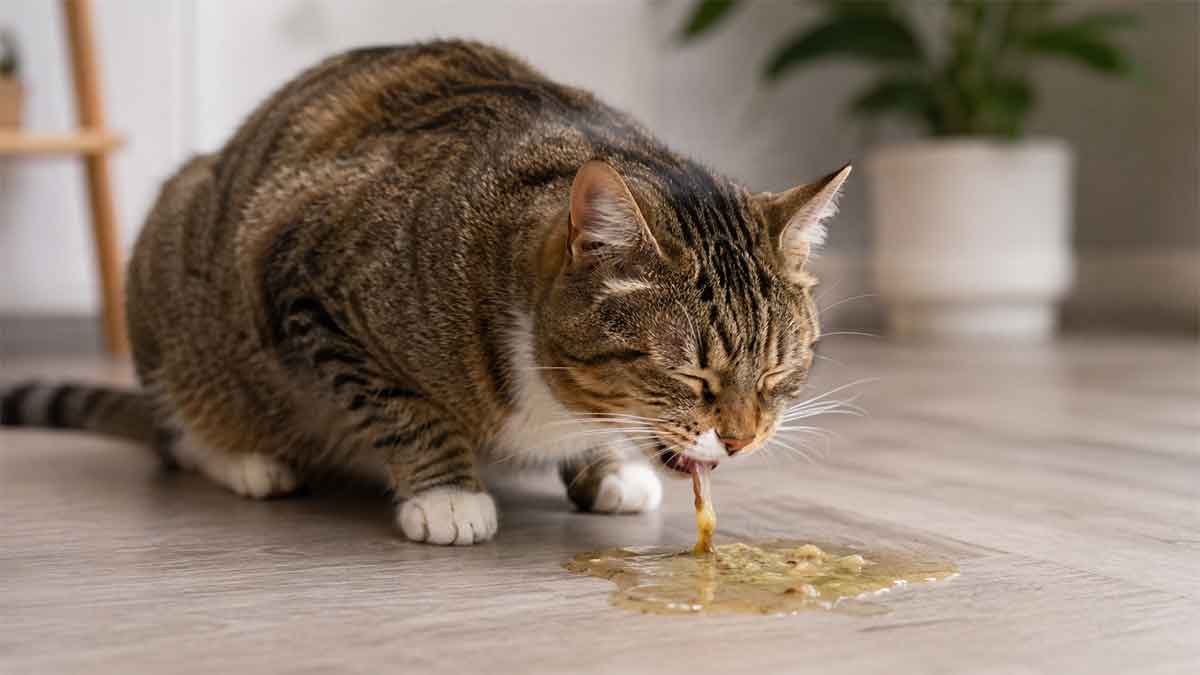
If you’re wondering about the reasons why my cat is throwing up, the answer depends on how often it happens, what the vomit looks like, and how your cat is acting afterward. An occasional episode may be caused by something as simple as eating too fast or coughing up a hairball. Frequent vomiting, blood in the vomit, weight loss, or changes in behavior can point to a more serious health problem that needs veterinary attention.
Knowing the difference between normal and abnormal vomiting can help you respond quickly and avoid unnecessary worry.
Why Do Cats Throw Up?
Vomiting is a protective reflex that helps remove something irritating or harmful from the stomach. While it can happen occasionally in healthy cats, repeated vomiting is never considered normal.
The cause can range from a mild stomach upset to chronic illness. The key is looking at the whole picture, including your cat’s age, appetite, energy level, and other symptoms.
Reasons Why My Cat Is Throwing Up
Many different conditions can cause vomiting. Here are the most common ones.
Hairballs
Hairballs are one of the best-known causes of vomiting in cats.
Cats swallow loose fur while grooming. Most of it passes through the digestive tract, but some may collect in the stomach and form a hairball. When that happens, your cat may gag, retch, and eventually vomit a tube-shaped clump of fur.
Long-haired breeds and cats that groom excessively tend to have more hairballs.
Signs include:
- Repeated gagging
- Coughing before vomiting
- A cylindrical clump of fur in the vomit
Eating Too Fast
Some cats finish their meals in seconds. When food enters the stomach too quickly, it may come right back up.
This usually happens within a few minutes after eating. The vomit often contains whole pieces of undigested food.
Using a slow feeder bowl or offering smaller meals more often can reduce the problem.
Sudden Diet Changes
Cats have sensitive digestive systems.
Switching food abruptly can upset the stomach and trigger vomiting, diarrhea, or both. Whenever possible, introduce a new food gradually over seven to ten days.
Food Intolerance or Food Allergy
Some cats react poorly to certain ingredients.
Food intolerance often causes digestive symptoms like vomiting and diarrhea. Food allergies may also cause itchy skin or ear infections.
A veterinarian may recommend an elimination diet to identify the problem ingredient.
Eating Something They Shouldn’t
Cats are naturally curious.
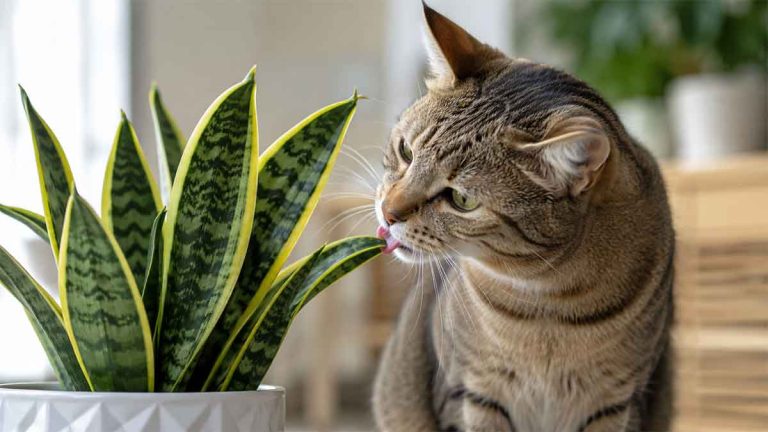
They may chew on plants, string, plastic, rubber bands, human food, or other household objects. Some items simply irritate the stomach, while others can create dangerous intestinal blockages.
Never pull on string hanging from your cat’s mouth. It could be wrapped around the intestines and pulling may cause serious injury.
Parasites
Intestinal worms are more common in kittens, but adult cats can also become infected.
Vomiting, diarrhea, poor weight gain, and a bloated belly may occur depending on the type and severity of the infestation.
Routine parasite prevention helps reduce the risk.
Stomach Infections
Bacterial or viral infections can inflame the stomach and intestines.
Along with vomiting, cats may experience diarrhea, fever, loss of appetite, or dehydration. Many infections improve with supportive care, while others require veterinary treatment.
Chronic Kidney Disease
Kidney disease is especially common in older cats.
When the kidneys no longer filter waste efficiently, toxins build up in the bloodstream. This often causes nausea, vomiting, increased thirst, weight loss, and decreased appetite.
Early diagnosis can improve quality of life.
Hyperthyroidism
An overactive thyroid gland speeds up the body’s metabolism.
Affected cats often lose weight despite eating well. Vomiting, diarrhea, increased activity, and excessive hunger are also common.
Hyperthyroidism is most often diagnosed in middle-aged and senior cats.
Inflammatory Bowel Disease (IBD)
IBD causes chronic inflammation in the digestive tract.
Cats with this condition may vomit regularly, have diarrhea, lose weight, or develop poor appetite. Diagnosis usually requires several tests because many digestive diseases have similar symptoms.
Pancreatitis
Inflammation of the pancreas can be difficult to recognize because symptoms vary.
Some cats become lethargic and stop eating, while others mainly experience vomiting. This condition often requires veterinary treatment and supportive care.
Liver Disease
The liver performs many vital functions.
When liver disease develops, vomiting may occur alongside jaundice, weight loss, poor appetite, and lethargy.
Because liver disorders have many possible causes, prompt diagnosis is important.
Stress and Anxiety
Cats sometimes vomit during periods of stress.
Moving to a new home, introducing another pet, boarding, loud construction, or major routine changes can upset sensitive cats.
Stress-related vomiting should improve once the environment becomes calmer.
Motion Sickness
Although less common than in dogs, some cats become nauseated during car rides.
They may drool, vocalize, vomit, or appear restless while traveling.
What the Color of the Vomit Can Tell You
The appearance of vomit may provide useful clues, although it cannot diagnose the cause by itself.
| Vomit Appearance | Possible Meaning |
|---|---|
| White foam | Empty stomach or mild stomach irritation |
| Yellow or green liquid | Bile from an empty stomach |
| Undigested food | Eating too fast or regurgitation soon after meals |
| Hairball | Normal grooming-related hairball |
| Blood | Stomach irritation, ulcers, injury, or another medical problem |
| Coffee-ground appearance | Digested blood that requires immediate veterinary attention |
Any blood or dark, coffee-ground material should be treated as an emergency.
Vomiting vs. Regurgitation
People often use these terms interchangeably, but they’re different.
Vomiting involves active stomach contractions. Cats usually drool, retch, or gag before expelling stomach contents.
Regurgitation happens with little warning. Food comes back up from the esophagus without force and often looks almost unchanged.
Knowing which one is happening helps your veterinarian narrow down possible causes.
When Should You Worry?
An isolated vomiting episode isn’t always an emergency.
However, you should contact your veterinarian if your cat has:
- Vomited multiple times in one day
- Vomited repeatedly over several days
- Blood in the vomit
- Trouble keeping water down
- Severe lethargy
- Weight loss
- Loss of appetite lasting more than a day
- Diarrhea combined with vomiting
- Swollen or painful abdomen
- Suspected ingestion of a foreign object, toxin, or poisonous plant
Kittens, elderly cats, and cats with existing medical conditions can become dehydrated much faster than healthy adults.
What You Can Do at Home
For a healthy adult cat with one mild vomiting episode and no other symptoms, you can monitor them closely.
Provide fresh water and watch for additional vomiting. If your cat seems hungry, offer a small portion of their normal food rather than a large meal.
Avoid changing foods or giving human medications unless directed by your veterinarian. Many over-the-counter medications that are safe for people can be dangerous for cats.
If vomiting continues, your cat refuses food, or new symptoms develop, schedule a veterinary visit promptly.
How Veterinarians Find the Cause
Diagnosis depends on your cat’s symptoms and medical history.
Your veterinarian may recommend:
- A physical examination
- Blood tests
- Urine testing
- Fecal examination for parasites
- X-rays
- Ultrasound
- Specialized gastrointestinal testing
- Endoscopy in selected cases
Not every cat needs every test. The diagnostic plan depends on the suspected cause.
Can Vomiting Be Prevented?
Some causes can’t be prevented, but many can be reduced.
Helpful habits include:
- Feeding a consistent, high-quality diet
- Changing foods gradually
- Brushing your cat regularly to reduce swallowed hair
- Keeping string, ribbon, and small objects out of reach
- Scheduling routine veterinary checkups
- Maintaining parasite prevention
- Encouraging healthy hydration
Cats that repeatedly eat too fast may also benefit from puzzle feeders or smaller, more frequent meals.
Frequently Asked Questions
Is it normal for a cat to throw up once in a while?
Occasional vomiting can happen, especially because of hairballs or eating too quickly. Frequent or recurring vomiting should always be evaluated.
Why is my cat throwing up but acting normal?
A cat that vomits once and then behaves normally may simply have mild stomach irritation. If vomiting continues, even without other symptoms, it’s worth contacting your veterinarian.
Why is my cat throwing up yellow liquid?
Yellow vomit usually contains bile. It often appears when the stomach is empty for an extended period, but it can also occur with digestive illnesses.
Why is my cat throwing up undigested food?
This commonly happens when a cat eats too quickly or regurgitates food shortly after eating. Persistent episodes should be investigated.
Should I stop feeding my cat after vomiting?
Not necessarily. If your cat has vomited only once and otherwise appears healthy, offering a small meal after a short rest may be appropriate. If vomiting continues or your cat refuses food, contact your veterinarian.
Final Thoughts on Reasons Why My Cat Is Throwing Up
Understanding the reasons why my cat is throwing up starts with paying attention to the frequency, appearance of the vomit, and your cat’s overall behavior. Hairballs and eating too fast are common explanations, but repeated vomiting can also signal digestive disease, kidney disease, hyperthyroidism, intestinal blockage, or other medical conditions.
When vomiting is frequent, accompanied by blood, weight loss, dehydration, or changes in appetite and energy, don’t wait to see if it goes away on its own. A timely veterinary examination offers the best chance of identifying the cause and helping your cat recover before the condition becomes more serious.
Related Articles
You may also enjoy these guides on What If Corner: