How to Choose an Outdoor Garden Bench? The short answer: pick your bench based on climate first, then size, then style. Material determines how well the bench survives rain, sun, and freezing temps, while dimensions determine whether it actually fits — and gets used — in your space. Get those two right, and the rest is personal taste.
Below is a breakdown of what actually matters when you’re standing in a garden center or scrolling through options online, wondering which bench will hold up and which one will be sagging by next spring.
What Material Holds Up Best Outdoors?
Material is the single biggest factor in how long a bench lasts and how much upkeep it needs. Each option handles moisture, sun, and temperature swings differently.
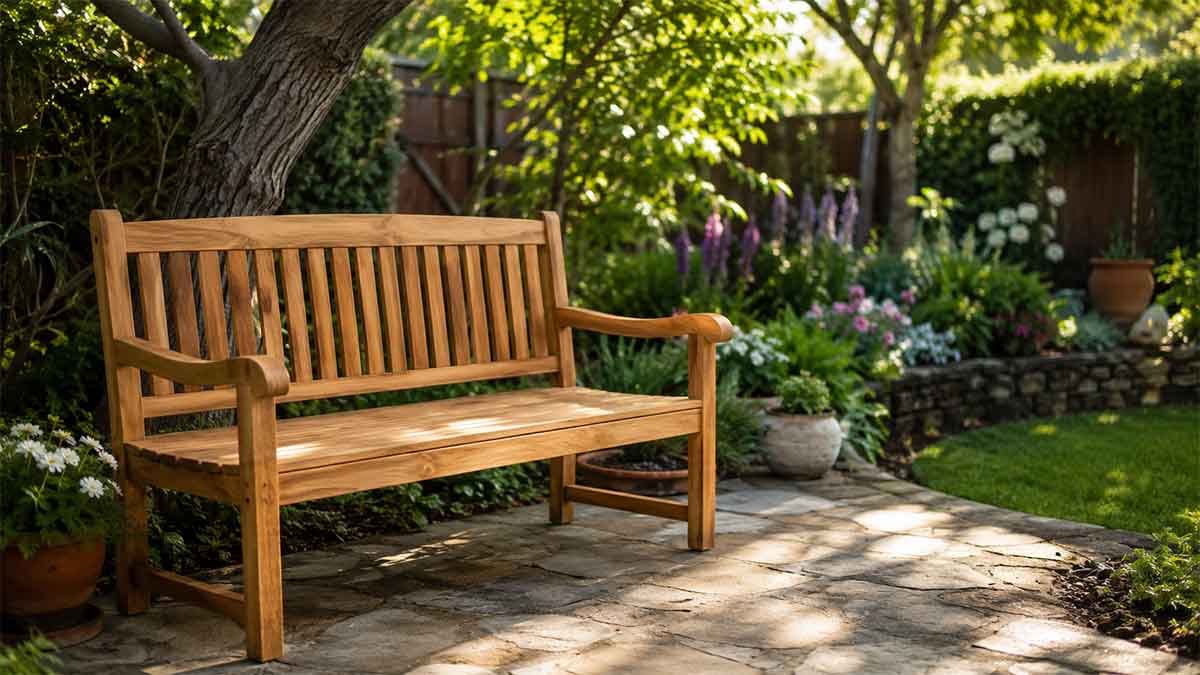
- Teak: Naturally resists rot and insects thanks to its high oil content. It weathers to a soft silver-gray if left untreated, which many people like. It’s durable but comes at a higher price point.
- Cedar or acacia: Both resist decay reasonably well and cost less than teak. They need occasional sealing to prevent cracking, especially in dry or high-UV climates.
- Wrought iron or steel: Extremely sturdy and great for windy areas, but prone to rust if the coating chips. Look for powder-coated finishes for better protection.
- Aluminum: Rust-proof and lightweight, making it easy to move for seasonal storage. It can feel less substantial and may need a cushion for comfort.
- All-weather wicker (resin): Handles moisture well and won’t splinter, but quality varies a lot — cheaper resin can turn brittle after a few years of sun exposure.
- Stone or concrete: Essentially permanent and immune to weather damage, but heavy, expensive to move, and cold to sit on without cushions.
If you’re in a coastal or rainy climate, teak or aluminum tend to perform best. In hot, sun-heavy regions, wood needs more sealing and metal can get uncomfortably hot to the touch.
How to Choose an Outdoor Garden Bench Based on Size and Placement
Before comparing styles, measure the actual spot where the bench will go — this step gets skipped more often than it should. A bench that looks reasonably sized in a photo can dominate a small patio or look lost in a large yard.
A two-seater bench typically runs 40 to 50 inches wide, while three-seaters usually range from 55 to 72 inches. Leave at least 24 to 30 inches of clearance around the bench so people can walk past or pull it out without bumping furniture.
Placement also affects material choice. A bench tucked under a covered porch has far less weather exposure than one sitting fully exposed in an open garden bed, so you can often get away with a lower-maintenance material in a sheltered spot.
Comfort Details That Are Easy to Overlook
A bench that looks great in photos isn’t always pleasant to sit on for more than a few minutes. Seat depth, back angle, and armrests all affect comfort more than most people expect.
Seat depth between 18 and 22 inches usually feels comfortable for most adults — deeper seats can feel awkward without a cushion behind your back. A slightly reclined backrest, rather than a perfectly vertical one, makes a noticeable difference for longer sitting sessions.
Armrests add comfort and make it easier to get up, but they also add width, so factor that into your space measurements. If you plan to use cushions, check whether the bench has a slatted or curved seat designed to hold them in place, since flat seats let cushions slide around in wind.
Related: How High Should a Garden Fence Be?
Maintenance: What You’re Signing Up For
Every outdoor bench needs some upkeep — the question is how much time you’re willing to spend on it.
Wood benches generally need cleaning and resealing once or twice a year to prevent graying, cracking, or mold, particularly in humid climates. Skipping this doesn’t ruin the wood outright, but it accelerates weathering.
Metal benches need occasional rust checks, especially at joints and screw points where coatings wear thin first. A quick coat of rust-resistant paint at the first sign of chipping saves a lot of trouble later.
Resin and synthetic wicker need the least maintenance — usually just a wipe-down — but they can’t be repaired or refinished the way wood can, so once they crack or fade, replacement is often the only option.
Budget: What You’re Actually Paying For
Price differences between benches usually come down to material quality and construction, not just brand name. A $100 bench and a $600 bench in the same style will differ mainly in wood density, joinery, and finish durability.
Cheaper benches often use thinner wood or lower-grade metal that may warp, rust, or loosen at the joints within a couple of seasons. Mid-range and higher-end options typically use denser materials and stronger joinery — mortise-and-tenon joints in wood, for instance, tend to hold up better than glued or stapled connections.
If budget is tight, it’s usually smarter to choose a smaller, well-built bench in a durable material than a larger one made from lower-quality materials, since the latter tends to need replacing sooner.
Related: How Does Your Zen Garden Grow?
Bringing It All Together
Choosing an outdoor garden bench really comes down to matching material to your climate, sizing it to your space, and being honest about how much maintenance you’re willing to do. A teak or aluminum bench suits low-maintenance, weather-exposed spots, while cedar or wicker can work well in more sheltered areas where a bit of upkeep isn’t a dealbreaker.
Once those basics are settled, style becomes the fun part — and whatever you choose will hold up a lot better with the right foundation underneath it.